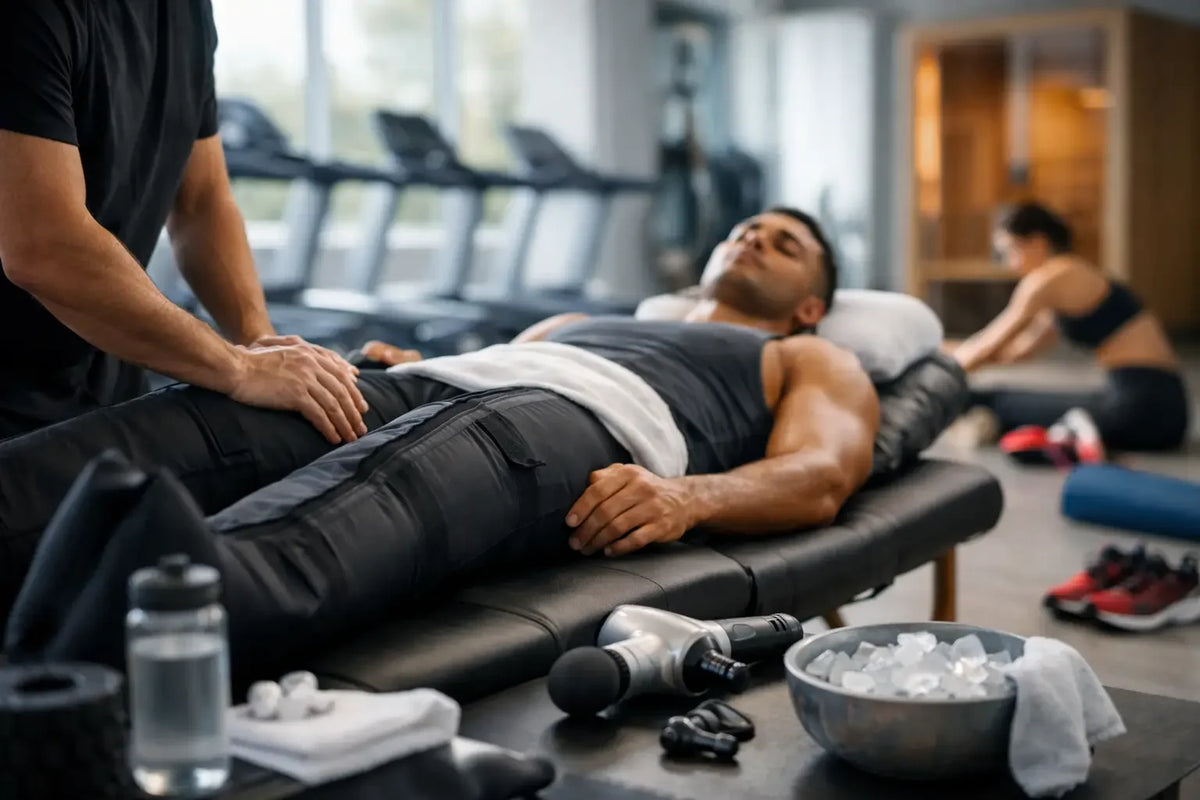
A hard session should make you better, not leave you dragging through the next three days. Athletic recovery is where training gains take hold, fatigue gets managed, and your body earns the chance to show up strong again. Skip it too often and small problems - heavy legs, poor sleep, persistent soreness, a cramp that cuts a workout short - can become the reason your progress stalls.
Recovery is not a reward for finishing the work. It is part of the work. The goal is not to feel perfectly fresh every morning. It is to recover well enough, often enough, that you can train with purpose, adapt to the challenge, and keep your momentum.
Athletic Recovery Starts With the Next 24 Hours
What you do after training matters, but there is no single magic window that fixes every session. Your recovery needs change with the workout, your training history, the weather, your sleep, and what is next on the calendar. A light strength session does not demand the same response as a humid race, a double-practice day, or a long run that pushed your limits.
Start by replacing what the session actually cost you. After a demanding workout, eat a meal or snack with carbohydrate and protein within a reasonable amount of time - especially if you will train again later that day or early the next morning. Carbohydrate helps restore fuel stores. Protein gives your muscles the building blocks to repair and adapt. The exact amount depends on body size, training volume, and goals, but consistency matters more than chasing a perfect post-workout shake.
Hydration deserves the same practical approach. Drink regularly before, during, and after exercise, then adjust based on sweat loss, heat, and how long you trained. If your clothes are soaked and you finish with a headache or unusually dark urine, that is useful feedback. Rehydrate deliberately. But do not assume every tight calf or sudden cramp means you failed to drink enough water.
Muscle cramping can have several contributors, including fatigue, intensity, conditioning, heat, and the nerve signals that control muscle contraction. Water and electrolytes have a place in a sound race-day plan, particularly during long or hot efforts. They are not always an immediate answer once a cramp has already taken control of the muscle.
Sleep Is the Recovery Tool You Cannot Outwork
The best recovery plan falls apart when sleep is consistently short or broken. Sleep supports physical repair, learning, reaction time, mood, and the judgment required to pace hard efforts intelligently. It also changes how soreness and stress feel. A workout that seems manageable after a solid night can feel punishing after four hours of sleep.
Protect your sleep like you protect your training time. Keep a reliable wake-up time when possible, give yourself a real wind-down period, and avoid turning late-night scrolling into a second workout for your nervous system. A cool, dark room and an earlier caffeine cutoff can make a bigger difference than another recovery gadget.
Athletes with demanding schedules will not always get ideal sleep. Travel, early practices, work, school, and family do not disappear because the training plan says “recover.” On those days, a short nap, a calmer evening, and a less aggressive next session may be the smart play. Pushing through accumulated fatigue is not toughness if it compromises the work you need to do tomorrow.
Move Enough to Feel Better, Not Enough to Add Fatigue
The day after a hard effort often calls for movement, but that does not automatically mean another hard workout. Easy walking, gentle cycling, relaxed swimming, or light mobility can reduce that stiff, stuck feeling and help you return to normal patterns of movement. Keep the intensity low enough that you finish feeling looser, not more depleted.
Mobility is most useful when it addresses a real limitation. If your ankles, hips, or thoracic spine repeatedly restrict your mechanics, spend a few focused minutes working on them. If a stretch creates sharp pain, numbness, or worsening symptoms, stop. Recovery should restore options, not force your body into positions it is not ready to own.
Massage, foam rolling, compression, and cold exposure can also help some athletes feel more comfortable. Their value is often individual. If ten minutes of rolling helps you move better before your next session, use it. If cold plunges make you feel alert but leave you dreading recovery, they are not mandatory. Do not confuse discomfort with effectiveness.
Don’t Let Muscle Cramps Hijack Your Training Block
A cramp can change a race, practice, or long ride in seconds. One moment you are on pace. The next, you are protecting a locked calf, hamstring, foot, or quad and trying not to lose the day. That experience can linger mentally, too. Athletes start holding back because they expect the cramp to return.
The better approach is to treat cramping as a performance issue worth preparing for. Review when it happens. Does it appear late in high-intensity efforts? In heat? After a period of inconsistent training? During explosive movement? That pattern can reveal whether pacing, fitness, fueling, hydration, or workload needs attention.
For immediate support, CrampsAWAY Sport/PRO is designed for exercise-related muscle cramps with food-grade ingredients and Neuromuscular Efficiency (NME™), a targeted approach focused on the nerve signals involved in cramping. Its portable oral formula is built for the moments when a cramp threatens to take your focus, form, and finish away. For competitive athletes, the PRO formula is NSF Certified for Sport, offering added confidence around banned-substance testing.
Immediate cramp support does not replace training intelligently. It gives you a tool for the problem in front of you while you continue addressing the conditions that make cramps more likely. That is the difference between hoping a cramp will pass and having a plan to keep moving.
Build a Recovery Routine You Can Actually Repeat
The most effective athletic recovery plan is rarely the most complicated one. It is the one you can repeat after a Tuesday evening workout, a tournament weekend, a long shift at work, or a race that did not go exactly as planned.
Use a quick post-training check-in. Ask how hard the session felt, whether any pain changed your movement, how well you fueled, and what tomorrow requires. If your legs are normally sore but suddenly feel unstable, unusually weak, or painful in a specific spot, adjust before forcing another intense session. A day of restraint can protect weeks of progress.
Also separate normal training discomfort from warning signs. General soreness that improves as you warm up is different from swelling, sharp pain, repeated giving way, chest pain, fainting, or shortness of breath. Those symptoms deserve medical attention, not a tougher mindset. The same is true for cramps that are frequent, severe, unexplained, or accompanied by weakness or other concerning symptoms.
Recovery Is How You Keep Your Edge
Your competitors may train hard. Your advantage is being able to train hard again. Fuel the work, protect your sleep, move with intention, and take cramping seriously before it steals your output. Athletic recovery is not about slowing down - it is how you keep earning the right to go fast when it matters.

Share:
Menstrual Support That Keeps Your Day Moving
Clinical Cramp Outcomes That Change Your Next Move