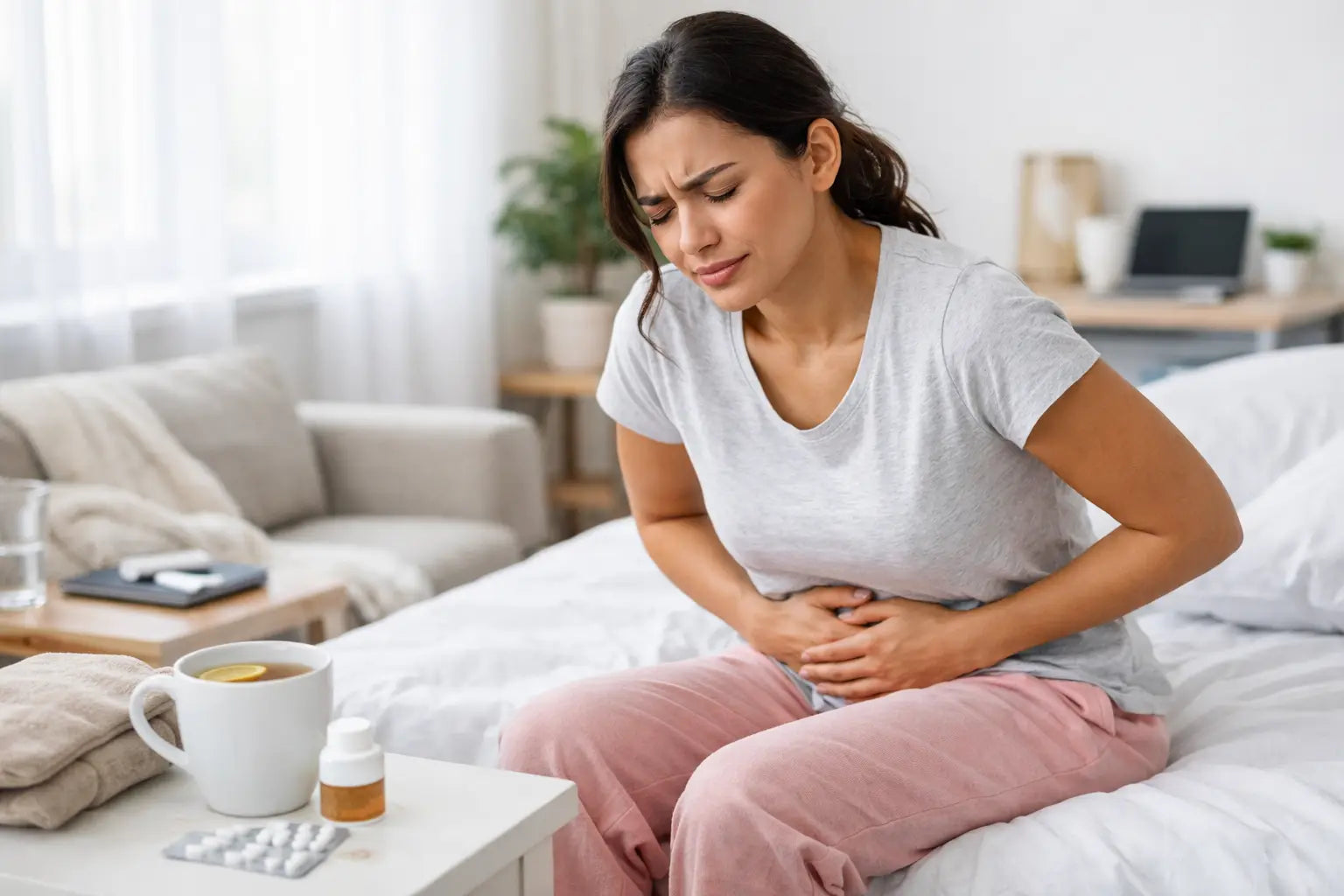
A cramp that makes you cancel plans, miss class, lose focus at work, or skip training is not something you should have to just power through. Knowing how to stop period cramps starts with having a fast response ready before the pain takes over, then building habits that can make each cycle more manageable.
Period cramps can feel like pressure, stabbing pain, backache, nausea, fatigue, or a deep ache that makes it hard to move normally. The goal is not to pretend the pain is small. The goal is to interrupt it quickly, support your body, and know when severe symptoms need a medical conversation.
Why period cramps can hit so hard
During your period, the uterus contracts to shed its lining. Chemicals called prostaglandins help drive those contractions. Higher prostaglandin activity is often associated with stronger contractions, inflammation, and more intense pain. That is why cramps may come with diarrhea, headaches, nausea, or a drained, heavy feeling.
For some people, cramps are strongest on day one or two. For others, pain begins before bleeding and disrupts several days. Stress, poor sleep, dehydration, and an already demanding schedule can make the experience feel even harder to manage, even though they are not the root cause of every painful period.
There is no prize for suffering silently. A better plan combines immediate comfort with prevention and clear boundaries around what is not normal for your body.
How to stop period cramps when they start
Move quickly when you feel the first tightening. Waiting until the pain is fully established can make it harder to regain control of your day.
Use heat to relax the area
A heating pad, heat wrap, warm bath, or hot water bottle over the lower abdomen or low back can ease cramp discomfort for many people. Heat helps relax tense muscles and can be especially useful when you need to sit through a meeting, study session, commute, or recovery day.
Use a comfortable temperature, protect your skin with a layer of fabric, and give it time to work. Heat is simple, portable, and often pairs well with other relief strategies.
Try gentle movement, not a punishing workout
When cramps are intense, a hard workout may be the last thing you want. But light movement can help. A short walk, easy cycling, gentle yoga, hip-opening stretches, or slow mobility work may reduce stiffness and help your body release tension.
Keep the standard realistic: move to feel better, not to prove toughness. If exercise worsens pain, dizziness, or bleeding, stop and choose rest instead.
Consider over-the-counter pain relief wisely
Nonsteroidal anti-inflammatory drugs, often called NSAIDs, can reduce prostaglandin-related pain for many people. They tend to work best when taken at the first sign of cramps or as directed by a clinician for predictable cycles.
They are not right for everyone. People with a history of stomach ulcers, kidney disease, bleeding disorders, certain heart conditions, medication interactions, or NSAID sensitivity should ask a healthcare professional what is safe. Never exceed the label dose, and avoid combining medications without guidance.
Choose fast, portable cramp support
If pills, hormones, or slow routines do not fit your needs, a targeted oral formula can be another option in your cramp-response kit. CrampsAWAY For Her is designed as a food-grade, hormone-free option that works upon contact with the tongue, supporting Neuromuscular Efficiency (NME™) to address nerve signals involved in cramping rather than simply masking discomfort.
That distinction matters when you need to stay alert, keep your stomach settled, and get back to your priorities. Keep fast relief where real life happens: your bag, desk, gym locker, car, or bedside table. The best option is the one you can use without losing more of your day.
Support the basics without expecting a miracle
Drink water regularly, eat a small balanced meal if nausea allows, and prioritize rest when you can. These steps may not stop severe cramps on their own, but they can prevent low energy, hunger, and dehydration from piling onto an already difficult day.
Skip the all-or-nothing thinking. You do not need a perfect wellness routine to deserve relief. You need a plan that works on a busy Tuesday, during travel, between classes, or before a competition.
Build a period-cramp plan before your next cycle
Fast relief is powerful. Preparation gives it more staying power. If your cycle is fairly predictable, start paying attention to when cramps begin, how long they last, where you feel them, and what actually helps.
A simple note on your phone can reveal useful patterns. Record the first day of bleeding, pain level from 1 to 10, flow changes, medications or remedies used, and whether pain interfered with work, sleep, school, exercise, or social plans. This information can help you act early and gives a clinician a clearer picture if you need care.
Consistent sleep, regular meals, and manageable movement throughout the month may also support better recovery and resilience. The aim is not to promise that lifestyle changes erase menstrual pain. It is to give your body fewer stressors to fight while you use the relief tools that work for you.
What not to do when period pain is taking over
Do not assume every painful period is normal because people around you have normalized it. Do not take more medication than directed because you are desperate for relief. And do not force an intense workout, long shift, or social commitment when your body is signaling that it needs a different approach.
Be cautious with internet claims that one supplement, tea, or stretch will fix every cramp. Some people get relief from specific routines; others do not. Your body, health history, medications, and the cause of your cramps all matter.
Hormonal birth control can reduce cramps for some people, but it is a personal medical decision with benefits and trade-offs. It should be a choice you make with a qualified clinician, not the only answer offered when period pain is disrupting your life.
When period cramps need medical attention
Severe cramps can sometimes be caused by conditions such as endometriosis, fibroids, adenomyosis, pelvic inflammatory disease, or other gynecologic concerns. A healthcare professional can help determine whether there is an underlying cause and discuss treatment options.
Make an appointment if your cramps suddenly become worse, regularly stop you from normal activities, do not improve with your usual measures, or occur outside your period. Also seek care for unusually heavy bleeding, bleeding between periods, pain during sex, fever, fainting, persistent vomiting, or new pelvic pain after age 25.
Seek urgent medical care for severe or sudden pelvic pain, especially if you might be pregnant, have a positive pregnancy test, feel faint, or have shoulder pain. Those symptoms need prompt evaluation.
Keep control within reach
Period pain can be unpredictable, but your response does not have to be. Put heat, hydration, a safe pain-management option, and fast cramp support in place before your next cycle begins. Then give yourself permission to use them at the first warning sign, not after pain has already taken the lead.
Your period should not get the final say over your work, training, plans, or confidence. Build the plan, keep it close, and make room for the kind of relief that helps you keep moving on your terms.

Share:
Muscle Cramp Supplements That Make Sense
Nighttime Leg Cramps: Take Back Your Sleep