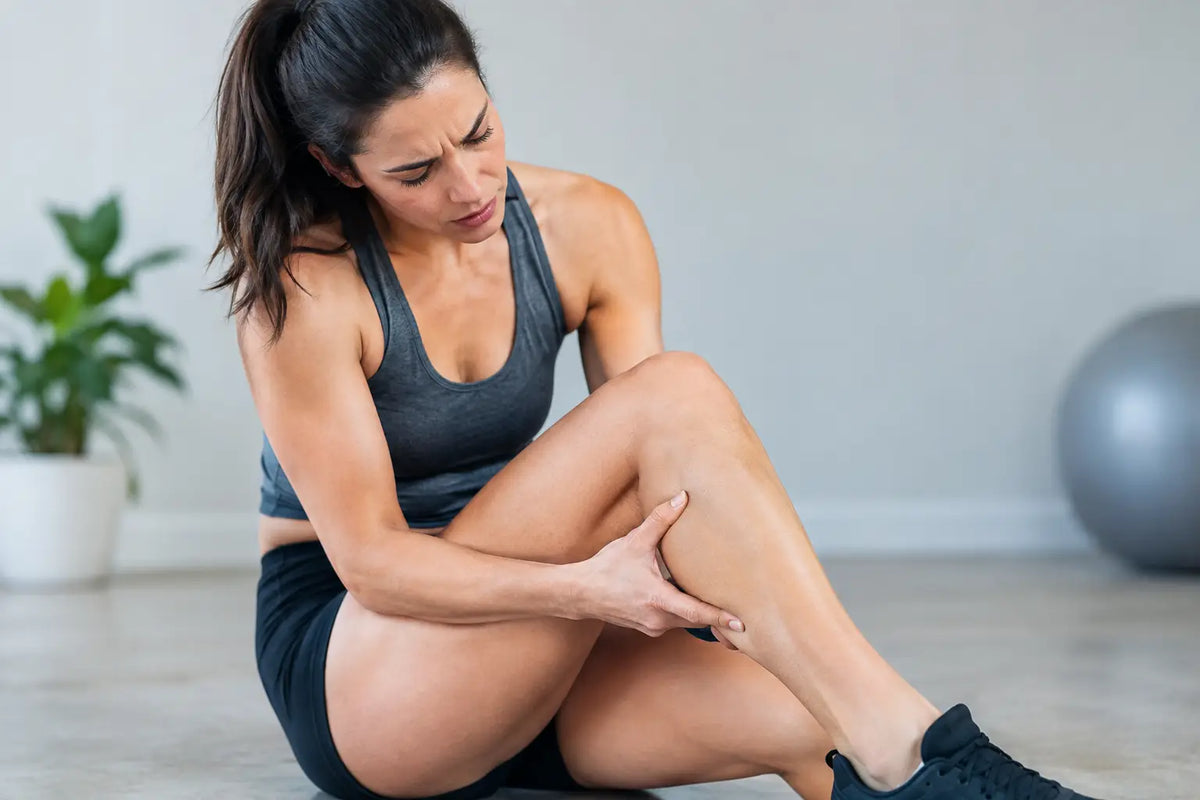
A calf locking up at mile 22. A period cramp that folds you over before a presentation. A charley horse that jolts you awake just as recovery should begin. Neuromuscular pathway cramps are not a character flaw, a toughness problem, or proof that you simply did not drink enough water. They are a fast, forceful breakdown in the communication between nerves and muscles - and they can take control of your day in seconds.
For too long, the standard answer has been to stretch, hydrate, wait, or reach for another pill. Those options may have a place, but they do not always match the speed of the problem. When a cramp is already firing, you need to understand what is happening and have a response built for the moment.
What Neuromuscular Pathway Cramps Actually Mean
Every voluntary movement starts with a message. Your nervous system sends an electrical signal down a motor nerve, telling a muscle fiber to contract. Under normal conditions, your body balances that signal with feedback that tells the muscle when to ease off.
A cramp happens when that balance breaks down. The muscle receives an excessive or poorly controlled contraction signal and does not relax when it should. The result can be sharp pain, visible tightening, reduced range of motion, and the immediate feeling that your body has hit the brakes.
That is why cramps can strike even when you have prepared carefully. Heat, hard effort, fatigue, repeated muscle loading, sleep position, and individual susceptibility can all raise the odds. But the final event is often neuromuscular: the nerve-to-muscle system is sending a contraction message too aggressively or failing to quiet it down efficiently.
This matters because a cramp that begins at the nerve-muscle connection needs more than a slow, one-size-fits-all response.
Why Water and Electrolytes Are Not the Whole Answer
Hydration and electrolytes support normal body function. If you are dehydrated, sweating heavily, training in heat, or replacing fluids poorly over time, correcting that can absolutely be part of your performance plan.
But the idea that every cramp is a simple electrolyte shortage does not explain the full picture. Plenty of athletes cramp despite drinking consistently and following a thoughtful fueling strategy. Plenty of people experience night cramps after a normal day. And menstrual cramping involves powerful contractions that cannot be reduced to a hydration checklist.
The trade-off is simple: hydration is smart preparation, but it may not be an immediate answer once a cramp has taken hold. Electrolytes must be digested and absorbed. Stretching may reduce tension for some people, but it can be hard to do in the middle of a race, on a court, or during a painful workday. Traditional pain relievers can take time and may bring stomach upset, drowsiness, or brain fog for some users.
When speed matters, focus on the pathway involved in the cramp itself.
The Goal: Better Neuromuscular Efficiency
Neuromuscular Efficiency (NME™) describes the body’s ability to communicate clearly between nerves and muscles: contract when action is needed, then relax when the work is done. When that efficiency is disrupted, a muscle can become stuck in an unwanted contraction.
For athletes, that can mean a hamstring grabbing during a sprint, a calf cramping on a climb, or a foot locking late in a game. For someone managing menstrual cramps, it can mean pain that interrupts class, meetings, sleep, social plans, and training. For older adults and active people recovering overnight, it can mean another sudden wake-up call from a calf or foot cramp.
The practical objective is not to ignore the pain and push through at any cost. It is to help interrupt the excessive nerve signaling quickly, so the muscle can release and you can regain control of the moment.
CrampsAWAY is designed around that goal, using patented, food-grade oral formulas intended to begin working upon contact with the tongue. Its approach centers on NME™ rather than waiting for a conventional painkiller, a hormone-based option, or a drink mix to work its way through the body. For competitors, the PRO formula is NSF Certified for Sport, an added layer of confidence for athletes and teams that must be vigilant about banned substances.
How to Respond When a Cramp Starts
The first move depends on where you are and what your body is telling you. If a muscle cramp begins during activity, safely reduce intensity right away. Do not try to prove your toughness by sprinting through a calf that has locked up or forcing a strained position through a hamstring spasm. Ease the muscle into a comfortable stretch if that is possible, breathe steadily, and avoid jerky movements that could turn a cramp into an injury.
Then address the immediate neuromuscular event. A fast-acting oral strategy formulated for NME™ can be especially useful when you cannot afford to wait - at the starting line, on the sideline, in the car before work, or awake in bed at 2 a.m.
After the moment passes, look at the pattern. Did the cramp follow unusually hard training, a long event, hot conditions, poor recovery, a new workout, or a night of disrupted sleep? If menstrual cramps repeatedly derail your schedule, track timing, severity, and what helps. Patterns give you a better prevention plan than generic advice ever will.
Build a Plan Before the Next Cramp
Cramps are unpredictable, but your response does not have to be. Athletes should practice their race-day nutrition and hydration plan during training, not improvise when the pressure is highest. Include adequate recovery, progressive loading, and enough conditioning for the intensity you expect to sustain.
For night cramps, consider whether long periods of standing, changes in activity, tight bedding positions, or new exercise routines seem to correlate with episodes. Gentle mobility and a consistent recovery routine may help some people, though they are not guarantees.
For menstrual cramps, protect your calendar when you can. Keep the tools you trust close at school, at work, in your gym bag, and while traveling. Fast access is not a luxury when pain arrives without asking permission.
There is no single prevention formula that works for every body. Some people need better heat preparation. Some need more gradual training progression. Some need to reconsider medications or underlying health factors with a clinician. The key is to stop treating cramps as random punishment and start treating them as a signal that deserves a targeted response.
When a Cramp Needs Medical Attention
Most isolated muscle cramps are temporary. Still, do not dismiss symptoms that are severe, frequent, worsening, or different from your normal pattern. Talk with a healthcare professional if cramps come with swelling, redness, weakness, numbness, persistent pain, fever, unexplained weight changes, or difficulty walking.
Menstrual pain also deserves real attention when it is suddenly more intense, regularly causes missed school or work, occurs outside your period, or does not respond to your usual measures. You do not have to normalize pain that repeatedly takes your life off track.
The same is true for athletes. A cramp that keeps returning in one location may be a sign to evaluate training load, mechanics, recovery, or a developing injury rather than simply trying harder.
Your body is built to move, compete, work, sleep, and show up fully. When cramps try to interrupt that momentum, respond with a plan that respects the real source of the problem: the nerve-to-muscle signal. Fast, targeted support can help you get back to what matters - with more comfort, more confidence, and less time spent waiting for your body to cooperate.

Share:
What Makes a Patented Cramp Formula Different?
Are Cramp Lozenges Safe for Fast Cramp Relief?