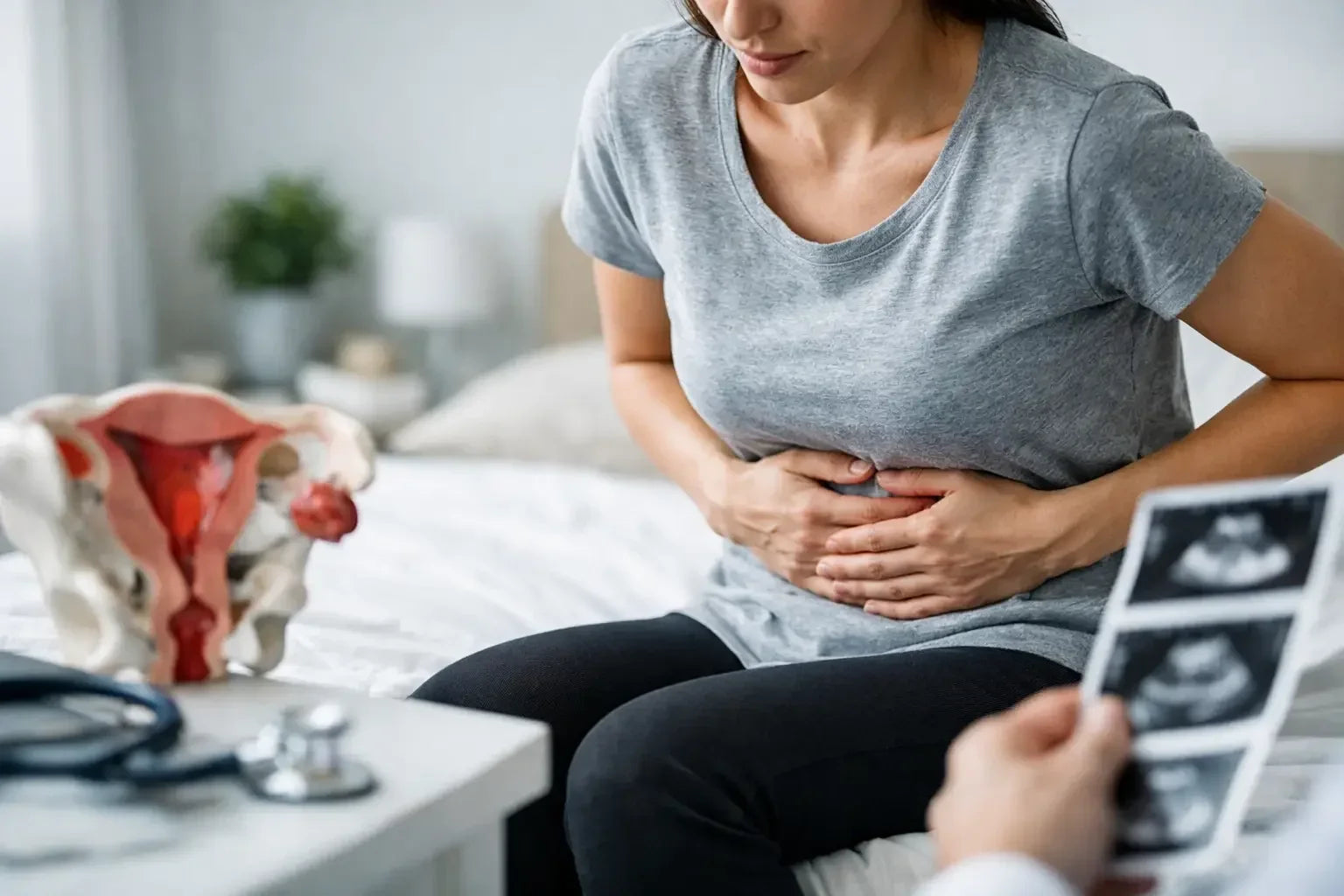
A cramp can stop a practice, wake you at 3 a.m., or make the first day of your period feel like a canceled-plan emergency. So, are cramps normal? They can be. But common does not automatically mean harmless, manageable, or something you have to power through.
Cramps are sudden, involuntary muscle contractions. They happen when the signals between nerves and muscles become overactive or when the muscle is pushed beyond what it can comfortably handle. The reason matters: menstrual cramps, exercise cramps, and nighttime leg cramps can look similar in the moment, but their triggers and warning signs are different.
Are Cramps Normal? It Depends on the Pattern
An occasional cramp that eases with rest, gentle movement, or time is often part of being active, menstruating, or simply sleeping in an awkward position. A calf tightening during a hard run, a lower-abdomen ache on day one of a period, or a foot cramp after a long day can all happen without signaling a serious problem.
The pattern is what deserves your attention. Cramps are less likely to be “just normal” when they are new, unusually severe, getting worse, happening far more often, or changing how you work, train, sleep, or live. Pain that repeatedly sidelines you is useful information from your body, not a character test.
Menstrual Cramps: Common, But Not a Requirement
Menstrual cramps happen because the uterus contracts to shed its lining. Chemical messengers called prostaglandins can make those contractions stronger, which may also bring nausea, diarrhea, fatigue, back pain, or headaches along for the ride.
Mild to moderate cramping around the start of a period is common. For many people, it begins a day or two before bleeding and improves within the first few days. Heat, movement, sleep, hydration, and the right relief strategy may help you stay present for school, work, training, and life.
But debilitating period pain is not something to brush off because it happens every month. A clinician should evaluate cramps that suddenly worsen, persist outside your period, become painful during sex, come with unusually heavy bleeding, or do not improve with the methods that once worked. Conditions such as endometriosis, fibroids, adenomyosis, pelvic inflammatory disease, or ovarian cysts can contribute to severe pelvic pain. Only a qualified clinician can sort out the cause.
The key distinction is simple: period cramps may be common, but losing days of your life to them should never be treated as inevitable.
Muscle Cramps During Exercise: Not Always About Electrolytes
A muscle cramp in the final miles of a race or late in a hard game is often blamed on dehydration or low electrolytes. Those factors can matter, especially during long sessions in heat or when you are sweating heavily. But they are not the full story for every athlete.
Exercise-associated muscle cramps are frequently linked to neuromuscular fatigue. In plain terms, a muscle may cramp when its nerve-to-muscle signaling is under more strain than it can efficiently manage. That is why cramps can hit a well-hydrated athlete, and why simply drinking more water does not always solve the problem.
Training load, pacing, heat exposure, poor recovery, abrupt intensity increases, and inadequate conditioning can all raise the odds. A runner returning too aggressively after time off and a tournament athlete playing multiple intense matches have different sports, but the same possible issue: the body is being asked to do more than it is prepared to sustain.
When a cramp strikes, stop or reduce the activity, gently stretch the affected muscle, and avoid forcing explosive movement through the spasm. Afterward, look beyond the single moment. Consider whether your training progression, fueling, recovery, sleep, and heat plan match the demand of the event.
Night Cramps: Why They Interrupt Sleep
Night cramps most often hit the calves, feet, or toes and can feel brutally intense despite lasting only seconds or minutes. They become more common with age, but they can affect anyone. Long periods of sitting or standing, hard exercise, pregnancy, certain medications, and changes in nerve or circulation health may play a role.
A gentle calf stretch before bed, supportive footwear, regular movement during the day, and avoiding sudden jumps in activity can help some people. If night cramps are frequent, one-sided, worsening, or paired with swelling, numbness, weakness, or skin-color changes, it is time to talk with a healthcare professional.
When Cramps Need Medical Attention
Get urgent medical care for severe pain that is sudden or unlike your usual cramps, particularly if it comes with chest pain, trouble breathing, fainting, confusion, a high fever, or heavy bleeding. Call a clinician promptly if you notice any of these patterns:
- Period pain that causes you to miss school, work, training, or normal activities regularly.
- Pelvic pain with fever, vomiting, very heavy bleeding, bleeding between periods, or pain during sex.
- Muscle cramps with persistent weakness, major swelling, redness, numbness, dark urine, or pain that does not release.
- New, frequent night cramps that disrupt sleep or begin after starting a medication.
These symptoms do not automatically mean something serious is wrong. They do mean guessing is not the best strategy.
Build a Cramp Plan Before the Next One Hits
The strongest cramp plan is specific to your trigger. For periods, track timing, pain severity, bleeding, and symptoms for a few cycles. That record gives you and your clinician better information than trying to remember through pain.
For sport, treat cramp prevention as part of performance preparation. Build intensity progressively, practice your event-day fueling and hydration routine, respect recovery, and prepare for heat rather than hoping toughness will cover the gap. If a particular muscle keeps cramping, assess training volume, mobility, strength, and technique instead of merely stretching harder after every episode.
For nighttime cramps, notice the routine around them. Are they more common after long standing shifts, travel, high-intensity workouts, alcohol, poor sleep, or a new medication? Patterns create options.
For people who want a portable, non-hormonal option for menstrual, muscle, or night cramps, CrampsAWAY uses food-grade oral formulas built around Neuromuscular Efficiency (NME™), targeting the nerve signals involved in cramping rather than asking you to wait for a traditional pill to take effect. It is designed for the moments when you need to regain control and keep moving.
You do not need to accept cramps as the price of showing up for your sport, your work, or your life. Pay attention to what your body is telling you, have a relief plan ready, and get medical guidance when the pattern changes.

Share:
Night Cramp Relief Options That Work Fast
What Neuromuscular Performance Research Shows