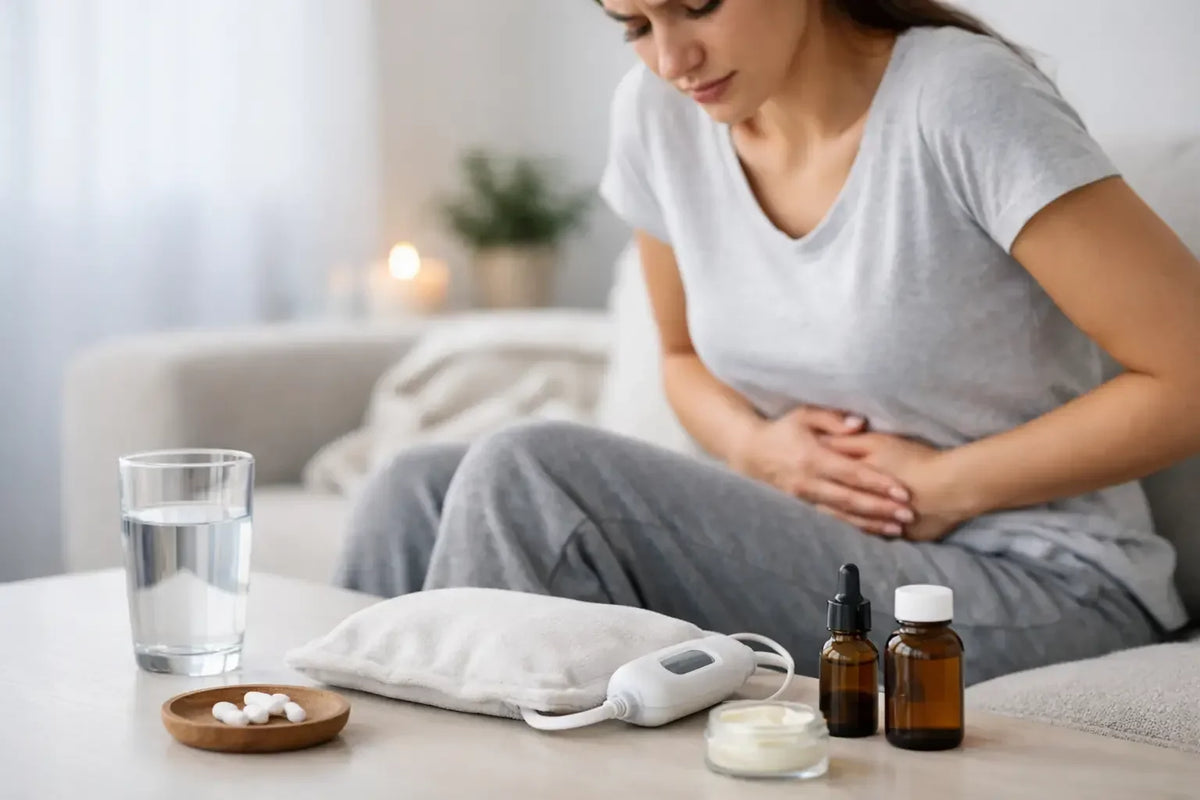
A painful periods treatment plan should do more than tell you to cancel plans, wait it out, or push through pain that steals your focus. When cramps make you miss class, lose sleep, skip training, or dread the first days of every cycle, you deserve options that help you take back control - without automatically defaulting to hormones or pain medication.
Painful Periods Are Not a Test of Toughness
Period cramps happen when the uterus contracts to shed its lining. Those contractions can temporarily reduce blood flow and trigger the aching, squeezing, back pain, nausea, fatigue, and all-around distraction many people know too well. For some, the pain is manageable. For others, it can flatten an entire day.
That difference matters. A painful period is not a character-building exercise, and treating it as one can leave you underprepared when an exam, presentation, shift, flight, workout, or important event arrives at the worst possible time.
The right approach depends on your symptoms, health history, and what you need from relief. Some people want a non-medication strategy. Some need a clinician-guided plan. Many use a combination of fast comfort measures, routine support, and a clear plan for when symptoms are outside their normal pattern.
Start With a Painful Periods Treatment Plan You Can Use
The best plan is the one you can actually follow when cramps hit. That means thinking ahead rather than hunting for relief once the pain has already taken over.
Know your pattern before your period starts
Track when cramps begin, how long they last, where you feel them, and what else shows up alongside them. Do symptoms start the day before bleeding? Are the first 24 hours the hardest? Does lower back pain keep you awake? Does nausea make food or medication difficult?
This information helps you anticipate the hard window and gives a healthcare professional better information if you need more support. It also helps distinguish a familiar cramp pattern from pain that is suddenly stronger, longer, or different.
Use heat for steady comfort
A heating pad, heat wrap, warm shower, or hot water bottle can relax tense muscles and provide dependable comfort. Heat is simple, portable in wrap form, and often useful when you need a low-effort option at work, school, or home.
The trade-off is speed and mobility. Heat can be comforting, but it may not be practical during a commute, a game, a long meeting, or a day when you need to move freely. Think of it as one useful tool, not the entire plan.
Keep your body moving when movement helps
Gentle walking, stretching, yoga, or light cycling can help some people feel less stiff and more comfortable. The goal is not to force an intense workout through severe pain. It is to give your body the movement it can tolerate.
If exercise reliably makes cramps worse, listen to that signal. A short walk, extra recovery, or complete rest may be the stronger choice that day. Control means choosing what supports you, not following a rigid rule.
Build meals and hydration around consistency
Eating regularly and staying hydrated can support overall energy, especially if your period comes with headaches, fatigue, or digestive changes. But hydration is not a guaranteed answer to menstrual cramps, and you should not be blamed for pain because you did not drink enough water.
If caffeine seems to intensify jitters, breast tenderness, or discomfort, consider reducing it during your toughest days. If it does not affect you, there is no need to create unnecessary restrictions. Your pattern wins over generic advice.
Where Pain Medication and Hormonal Options Fit
Over-the-counter anti-inflammatory pain medications can be effective for many people, particularly when taken as directed at the first sign of cramps or before symptoms peak. They are not right for everyone, though. Stomach irritation, medication interactions, kidney concerns, ulcers, bleeding risk, and other health factors can change what is appropriate.
Hormonal birth control can also reduce period pain for some people. That can be a worthwhile conversation with a clinician, but it is a personal medical decision, not a one-size-fits-all answer. You may want contraception, lighter periods, fewer cycles, or none of those things. Your treatment should reflect your goals.
For people who want to avoid hormones or do not want to rely on traditional pain relievers every cycle, a food-grade, hormone-free option may offer another layer of support. The key is choosing products with clear directions, transparent ingredients, and claims that match what the product is designed to do.
Fast Relief Should Fit Real Life
Cramps rarely arrive when your calendar is empty. They show up before a final, halfway through a double shift, on a travel day, or just as you are about to train. That is why a relief option has to be easy to carry, simple to use, and built for the moment pain threatens your momentum.
CrampsAWAY For Her is a food-grade, hormone-free oral formula designed to support relief from menstrual cramping upon contact with the tongue. Its approach centers on Neuromuscular Efficiency (NME™), targeting the nerve signals involved in cramping rather than simply masking discomfort. For people who want to stay alert and avoid the drowsiness, brain fog, or stomach upset they associate with some conventional options, that distinction can matter.
No treatment should require you to gamble your whole day on whether you can function. Keep the options that work for you where you will need them: in a backpack, work bag, car, gym bag, or bedside drawer. A plan is only useful if it is within reach.
When Period Pain Needs Medical Attention
Most menstrual cramps are common, but severe or changing pain deserves more than a quick fix. Conditions such as endometriosis, fibroids, adenomyosis, ovarian cysts, pelvic inflammatory disease, and other health concerns can cause symptoms that need diagnosis and targeted care.
Make an appointment with a qualified healthcare professional if your cramps are getting worse, routinely keep you from normal activities, do not improve with the strategies that used to help, or begin for the first time later in adulthood. Also seek care for very heavy bleeding, bleeding between periods, pain during sex, fever, fainting, unusual discharge, sudden severe pelvic pain, or a possible pregnancy.
This is not about overreacting. It is about refusing to normalize pain that is asking for a closer look. Getting answers can protect your health and lead to treatment that actually fits the cause.
Build a Period Plan That Protects Your Momentum
Your most effective routine may be a mix: tracking your cycle, using heat at home, adjusting training on hard days, discussing medical options when needed, and carrying fast support for the moments cramps try to take over. You do not have to choose between being productive and taking care of yourself.
Start by asking one practical question: what would make the next difficult period less disruptive? Put that answer in place before day one arrives. Relief is not about proving you can endure more pain. It is about keeping your time, energy, and confidence in your own hands.

Share:
Cramp Supplements Safety: What to Check First
How to Avoid Post Workout Cramps and Finish Strong