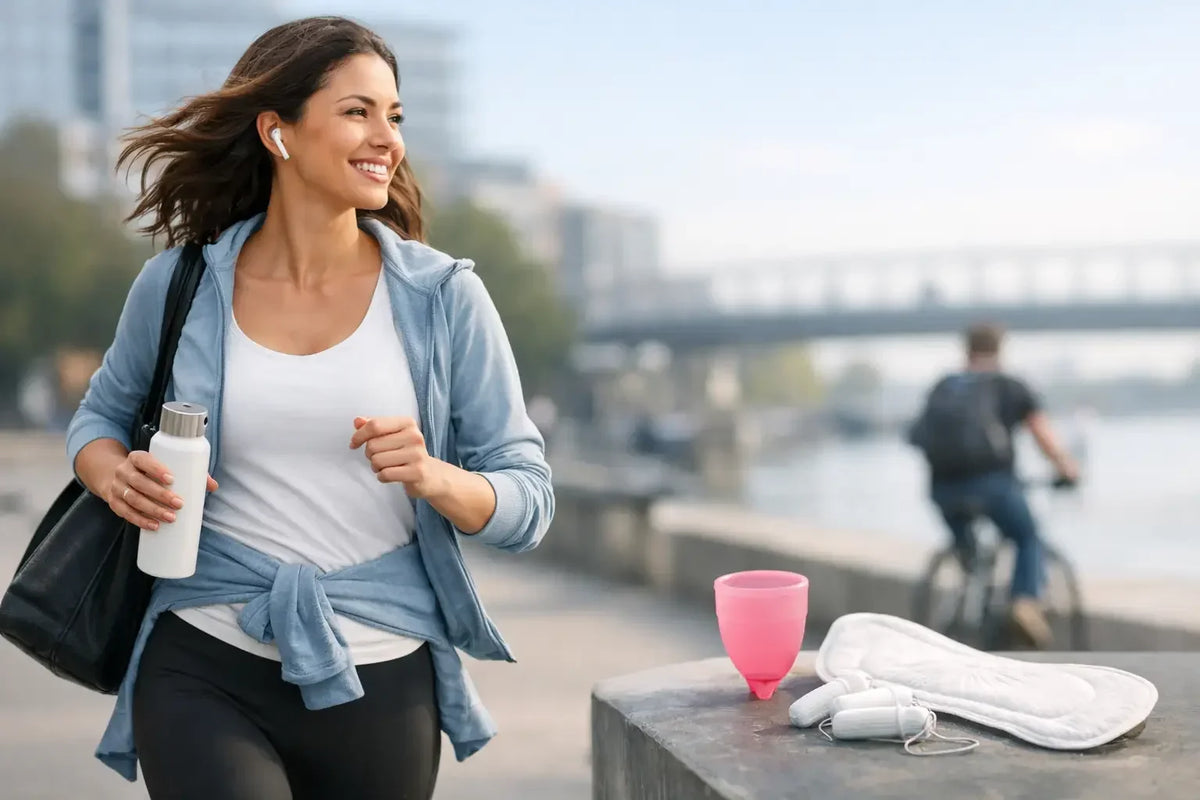
A period should not be the reason you miss the presentation, sit out practice, cancel dinner, or spend a weekend curled up waiting for pain to pass. Period wellness is about building a plan that protects your time, energy, and confidence before cramps get the final say.
That plan will not look identical for everyone. Your cycle, symptoms, schedule, training load, sleep, and medical history all matter. But the goal is universal: fewer disruptions and more control over how you move through every phase of your cycle.
Period Wellness Starts With Knowing Your Pattern
Cramps can feel random when they catch you off guard, but most people have patterns worth tracking. For two or three cycles, note when bleeding starts, when cramping begins, how long it lasts, how intense it feels, and what else shows up alongside it. Fatigue, headaches, digestive changes, lower-back pain, disrupted sleep, and mood shifts can all affect how capable you feel.
Use a notes app, calendar, or paper tracker. The point is not to obsess over every sensation. It is to stop being blindsided. If your hardest day is usually day one, you can protect your schedule, pack your relief tools, prep easy meals, and adjust training before that day arrives.
Tracking also gives you better information to share with a clinician if symptoms change. A sudden shift in pain, bleeding, or cycle length deserves attention, especially if your usual routine is no longer enough.
Build Around Your Real Life
A useful plan fits the life you actually lead. A college student may need supplies that fit in a backpack and relief that does not cloud a study session. A busy professional may need a strategy that works before a long meeting. An athlete may need to manage symptoms without sacrificing confidence before training or competition.
Start by keeping a small period kit where you need it most: your bag, desk, car, gym locker, or travel case. Include the menstrual products you prefer, a change of underwear if that gives you peace of mind, water, a snack you know sits well, and your chosen cramp-relief option. Preparation is not dramatic. It is how you keep a normal body function from taking over your day.
Support Your Body Without Turning Wellness Into Homework
The internet can make period care feel like a full-time job. You do not need a perfect routine, a cabinet full of powders, or a rigid food plan to support your cycle. Consistency with a few basics often goes further than chasing every new wellness trend.
Sleep is one of those basics. Poor sleep can lower your tolerance for discomfort and leave you more drained when bleeding begins. If your period regularly interrupts rest, make your bedroom setup work harder for you: comfortable layers, an easy-to-reach heating option if you use one, and a plan for overnight protection that lets you sleep without worry.
Food matters, but there is no single period diet. Regular meals with protein, fiber-rich carbohydrates, healthy fats, and foods you enjoy can help you avoid the energy crash that makes a painful day feel even harder. If nausea or digestive discomfort is part of your cycle, simpler foods and smaller meals may work better. It depends on your symptoms, not a rulebook.
Hydration supports general health and performance, particularly when you are active or sweating heavily. But hydration alone does not explain every cramp or solve every cramp. Menstrual cramping involves uterine contractions and complex signaling in the body. If water has not fixed your pain in the past, that is not a personal failure.
Movement Can Help, but It Is Not a Test of Toughness
Some people feel better after a walk, mobility work, light cycling, or a lower-intensity workout. Movement can increase circulation, ease stiffness, and give your mind a break from focusing on discomfort. Others need rest, especially on a heavy or painful day.
Both responses can be reasonable. The win is listening to your body without treating rest as weakness. If you are training for performance, consider planning flexibility into your program. You may feel strong enough for a hard session one month and need a reduced load the next. Adjusting is not quitting. It is smart recovery.
Make a Fast Plan for Cramps
When cramps hit, generic advice to “take it easy” is rarely enough. You need a clear, portable response you trust. Think through what you will do at the first sign of discomfort, what you will use if symptoms escalate, and when you will choose to pause instead of pushing through.
Conventional options work for some people, but the trade-offs matter. Some pain medications can cause stomach upset or other side effects, and hormonal approaches are personal medical decisions that may not align with every person's needs or preferences. No one should be pressured into accepting a solution that does not feel right for their body.
For people seeking a food-grade, hormone-free option that does not require waiting for a pill to digest, CrampsAWAY For Her is designed to work on contact with the tongue. Its approach centers on Neuromuscular Efficiency (NME™), targeting nerve signals involved in cramping rather than simply masking the experience. That can be especially valuable when you need to stay clear-headed for school, work, travel, practice, or the plans you refuse to lose.
The best relief tool is the one you can use correctly and have with you when you need it. Read product directions, understand any ingredient considerations, and keep your preferred option accessible rather than buried at the bottom of a bathroom drawer.
Protect Your Energy, Not Just Your Pain Level
Period wellness is bigger than reducing a number on a pain scale. Cramps can steal focus, shorten your patience, change how you move, and make everyday tasks feel heavier than they should. A strong plan protects the rest of the day too.
Give yourself permission to simplify where you can. Schedule demanding work before your toughest days if your cycle is predictable. Prep meals ahead of time. Wear clothing that does not add pressure to an already tender abdomen. Say no to the extra errand. These are small decisions, but they conserve energy for what matters most.
If you are an athlete, communicate early with a coach, trainer, or trusted teammate when symptoms affect your training. You do not have to share every detail to ask for what you need. A modified warmup, access to a restroom, a brief break, or a different recovery plan can make a meaningful difference.
Know When Cramps Need Medical Attention
Severe period pain is common, but it should never be automatically dismissed. Talk with a qualified health care professional if cramps are getting worse, keep you from school or work, do not improve with your usual strategies, or come with very heavy bleeding, fainting, fever, pain between periods, or pain during sex.
These symptoms can have different causes, including conditions that deserve evaluation and treatment. Advocating for yourself is part of wellness. Bring your cycle notes, describe exactly how symptoms affect your daily life, and be direct if you feel your concerns have been minimized.
Make Period Wellness a Standard, Not a Rescue Mission
You deserve more than a monthly scramble to get through the day. Build your kit, learn your cycle, choose support that fits your values, and make room for both movement and rest. When cramps show up, the goal is not to prove how much pain you can tolerate. The goal is to respond quickly, protect your momentum, and keep your life moving on your terms.

Share:
Clinical Cramp Outcomes That Change Your Next Move
How Oral Cramp Relief Works for Faster Relief