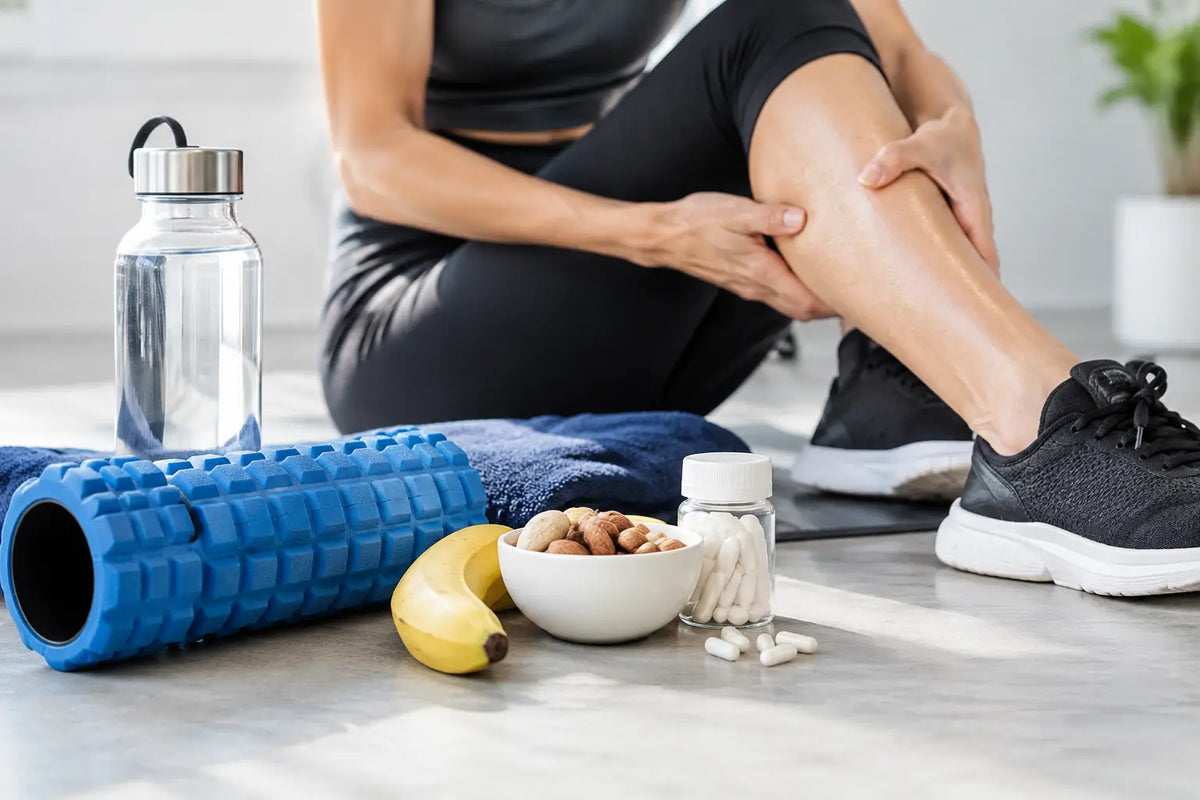
A cramp does not wait for a convenient moment. It hits during the final mile, halfway through a presentation, or just as you finally fall asleep. The top cramp prevention tools are not about building a complicated wellness routine. They are about giving your body the right support before the muscle tightens, your plans change, or your performance drops.
The best approach depends on the kind of cramp you get, when it shows up, and what tends to trigger it. Period cramps, exercise-related muscle cramps, and nighttime leg cramps can feel similar in the moment, but they do not always respond to the same strategy. Build a toolkit that fits your life, then keep it close enough to use.
Start With the Tool Most People Skip: Pattern Tracking
Cramps feel random when you are stuck in them. Often, they are not. A few weeks of simple tracking can reveal the conditions that keep showing up before a cramp: a hard interval session, a long day on your feet, poor sleep, a heavy period day, heat, travel, or a sudden increase in training volume.
You do not need a detailed spreadsheet. Use the notes app on your phone to record when cramps happen, where they occur, what you were doing, how long they lasted, and what helped. For menstrual cramps, track the first day of bleeding and the severity of symptoms. For athletes, note workout intensity, temperature, fueling, sleep, and any change in shoes or training surface.
This is not about obsessing over every sensation. It is about getting specific. If calf cramps reliably appear after hill repeats or night cramps hit after days with little movement, you have a clearer prevention target than simply hoping more water solves it.
Hydration and Fueling: Foundational, Not a Magic Fix
Hydration matters, especially in heat, during long training sessions, or when illness, sweating, vomiting, or diarrhea have left you depleted. Start hydrated, drink consistently through the day, and use a drink with electrolytes when your activity duration, sweat rate, or conditions call for it.
But hydration is not a universal explanation for every cramp. Plenty of people cramp despite drinking water and using electrolyte products. Muscle cramping can also involve fatigue, workload, conditioning, nerve signaling, and the demands placed on a muscle when it is nearing its limit.
Fueling deserves equal attention. Under-fueling can leave athletes flat, fatigued, and more vulnerable to late-session breakdown. Before endurance events or intense practices, eat familiar carbohydrates and avoid experimenting with a new nutrition plan on race day. If you are prone to menstrual fatigue or cramping, regular meals can also help you avoid the extra stress of low energy when your body is already dealing with discomfort.
Think of fluids, electrolytes, and food as baseline support. They help create the conditions for performance and recovery, but they are not always fast enough or targeted enough when a cramp is already building.
Train the Muscle for the Job You Expect It to Do
A cramp during a race often starts long before the starting line. A muscle that has not been prepared for the pace, hills, heat, duration, or explosive demands of an event is more likely to protest when the pressure rises.
Progressive training is one of the strongest cramp-prevention tools available. Increase duration, intensity, and volume gradually. If your goal event includes climbs, sprints, cutting, or long hours in the heat, include those demands in training rather than saving them for competition day.
Strength work can also be valuable, particularly for calves, hamstrings, quads, feet, and hips. The goal is not to chase soreness. It is to build durable muscles that can repeatedly contract and relax under load. For runners, that may mean controlled calf raises and single-leg work. For team-sport athletes, it may mean strength, deceleration, and change-of-direction training.
If a specific area repeatedly cramps, do not just stretch it after the fact. Ask whether it is undertrained, overloaded, fatigued, or compensating for a weakness somewhere else.
Mobility Helps When It Is Specific and Consistent
A quick stretch can be useful when a cramp strikes, but prevention requires more than pulling on a muscle for 10 seconds before a workout. Tightness, limited range of motion, and long periods in one position can all contribute to muscles feeling primed to seize.
For nighttime calf or foot cramps, gentle calf stretches before bed and regular ankle movement during the day may help. If you sit for hours, stand up periodically, walk briefly, and move your ankles through their full range. For training cramps, use a dynamic warm-up that prepares the joints and muscles you will actually use instead of relying on a rushed, generic routine.
Menstrual cramps are different. Gentle movement, such as walking, easy cycling, yoga, or mobility work, may bring relief for some people by easing tension and helping them stay connected to their normal routine. On severe pain days, however, forcing a hard workout is not toughness. It is ignoring useful feedback from your body.
Build a Sleep Strategy for Night Cramps
Night cramps can turn rest into anticipation. The problem is not just the pain itself. It is waking up tense, losing sleep, and going into the next day already depleted.
Make your evening routine work for your legs. Avoid going from hours of inactivity straight into bed. A short walk, gentle mobility, and calf stretching can be a practical reset. If your feet tend to point downward while you sleep, consider whether your sleep position leaves the calf shortened for long periods. Some people find it helpful to adjust bedding that presses the feet into that position.
Also consider the basics that get overlooked: new medications, alcohol intake, unusual activity, long travel days, and sudden training changes. Persistent night cramps deserve a conversation with a clinician, especially if they come with weakness, swelling, numbness, or changes in walking.
Fast-Action Oral Support Belongs in Your Cramp Kit
When a cramp is coming on, slow solutions can feel like no solution at all. This is where a portable, fast-action oral formula can earn its place alongside your hydration plan and training routine.
CrampsAWAY is designed around Neuromuscular Efficiency (NME™), which addresses the nerve signals involved in cramping rather than simply trying to mask discomfort. Its food-grade, hormone-free oral formulas are made for moments when you need to respond quickly - during a period, in the middle of training, at an event, or after waking with a painful leg cramp.
For athletes, this kind of support is especially useful when the stakes are high. You can prepare with conditioning, hydration, and smart fueling, then still encounter a cramp in the final stretch. Having a targeted option in your pocket means you are not left scrambling for a drink mix, waiting for a pill to work, or accepting that your day is over.
The same principle applies to period pain. If cramps threaten school, work, travel, training, or a night out, a portable tool that fits in a bag can help you act at the first sign of trouble. Choose products carefully, follow label directions, and make sure the ingredients fit your needs and any guidance you have received from your healthcare professional.
When to Stop Treating Cramps as “Normal”
Common does not always mean harmless. Seek medical guidance for cramps that are new, severe, frequent, or getting worse. Period pain that disrupts life every month, pain between periods, unusually heavy bleeding, or pain during sex deserves more than a shrug. The same goes for muscle cramps paired with swelling, redness, weakness, numbness, chest symptoms, fever, or an injury.
Athletes should also pay attention when cramping becomes a regular performance pattern. A sports medicine professional, physical therapist, registered dietitian, or qualified coach can help identify whether training load, mechanics, recovery, medication, or nutrition needs attention. The goal is not to make your body endure more. It is to make your preparation smarter.
Keep Your Tools Where the Cramp Can Find Them
The most effective cramp tool is the one you use before discomfort takes over. Keep your hydration plan realistic, train for the demands ahead, move regularly, and pack fast support in your gym bag, desk drawer, travel kit, or bedside table. Cramps do not get to decide whether you finish strong, sleep deeply, or show up for your day.

Share:
Period Care Trends That Put You Back in Control
Night Cramp Sleep Can Get Better Tonight