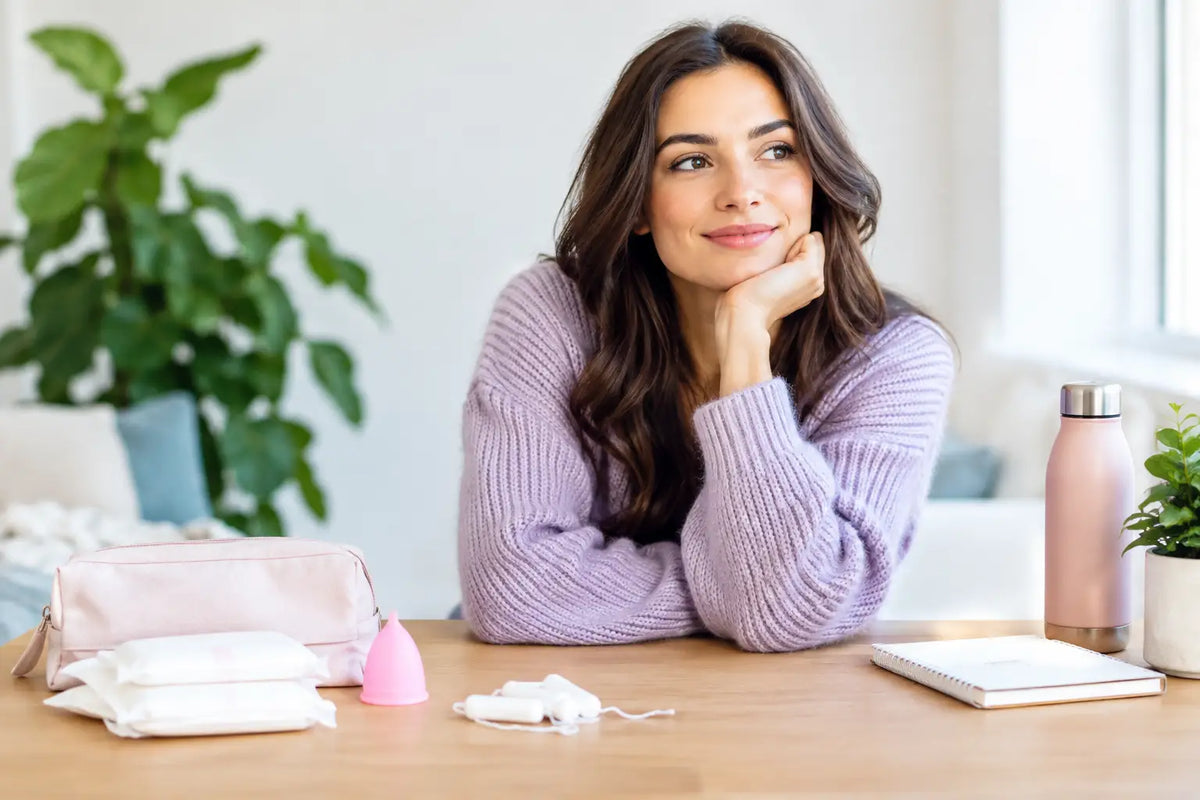
A missed workout. A presentation delivered while trying not to double over. Plans canceled because your period decided pain gets the final say. The biggest shift in period care trends is not a prettier package or a new social-media slogan. It is the demand for options that let people stay in motion without accepting cramps as the price of having a cycle.
For too long, period care centered on managing the mess while pain relief was treated as an afterthought. Now, people want more control over every part of the experience: what they put in their bodies, how quickly it works, whether it affects their focus, and whether they can keep showing up for school, work, training, and life.
Period Care Trends Are Moving Beyond “Just Deal With It”
The cultural expectation around periods is changing. More people are openly naming the real impact of menstrual cramps instead of minimizing them. Pain that pulls someone out of class, makes a shift harder to finish, or disrupts sleep is not a minor inconvenience. It is a barrier to performance and freedom.
That honesty is pushing the category forward. Consumers are looking past the old default of taking a pill, waiting it out, and hoping the pain fades before the day is over. They want relief that fits a full schedule, not a schedule built around symptoms.
This does not mean one solution is right for every person or every cycle. Period pain has different causes and different levels of intensity. But the direction is clear: people expect better choices, clearer information, and faster support when cramps hit.
Fast Relief Is Becoming the Standard
Speed is one of the strongest trends in period care because cramps rarely arrive at a convenient time. A solution that takes an hour to make a difference may not help when you are walking into an exam, warming up for practice, commuting to work, or trying to get through a meeting.
That has created demand for portable, on-the-spot options that can be used when symptoms begin. The focus is shifting from planning an entire day around anticipated pain to having a practical response ready in a pocket, gym bag, backpack, or desk drawer.
Fast relief also matters emotionally. When you have experienced cramps that derail your plans, the uncertainty can be almost as frustrating as the pain itself. Knowing you have a tool available can restore confidence before your period even starts.
Still, “fast” should not mean reckless. Consumers are rightly asking what is in a product, how it works, and whether its claims match the experience they can realistically expect. The best period-care choices make the mechanism understandable without hiding behind vague wellness language.
Hormone-Free Choices Are Gaining Ground
Hormonal contraception can be a valuable option for some people, including those managing certain menstrual symptoms with clinician guidance. But it is not the preferred path for everyone. Some people do not want hormones. Others have experienced side effects, have medical considerations, or simply want an option focused specifically on the cramp itself.
That is why hormone-free period care is having a major moment. People want the ability to choose symptom support without feeling pushed toward a larger medical decision they may not want to make.
The same applies to conventional pain medication. It may work well for some users, but others want to avoid potential issues such as stomach discomfort, drowsiness, brain fog, or taking medication repeatedly throughout a cycle. The growing expectation is choice, not judgment. You should be able to build a period-care routine that matches your body, goals, and comfort level.
For people with severe, worsening, or unusual menstrual pain, self-care should not replace medical evaluation. Pain that is suddenly different, interferes significantly with daily life, occurs outside your period, or comes with heavy bleeding deserves a conversation with a qualified healthcare professional.
The Shift From Pain Masking to Cramp Response
Another meaningful change in period care is a deeper interest in why cramps happen. Menstrual cramps are not simply a hydration problem, and the answer is not always to pile on more electrolytes or wait for a slow remedy to kick in.
Cramps involve muscular contractions and nerve signaling. This is where a new generation of cramp support is focused: helping address the neuromuscular signals associated with cramping rather than only trying to dull the sensation after it has taken over.
CrampsAWAY takes this approach through patented, food-grade oral formulas designed to activate upon contact with the tongue. Its Neuromuscular Efficiency (NME™) approach is built around supporting the nerve-to-muscle connection behind cramps, helping people pursue rapid relief without hormones or the sluggish feeling that can come with some conventional options.
That distinction matters for anyone who has ever had to choose between pushing through pain and feeling less sharp after treating it. Relief should support your momentum, not create a different obstacle.
Period Care Is Becoming More Performance-Minded
Menstrual wellness is no longer being discussed only in terms of comfort at home. Athletes, students, busy parents, healthcare workers, professionals, and active adults are all asking the same practical question: Can I keep going?
For someone who trains, cramps can disrupt more than one workout. They can affect confidence, consistency, recovery, and the willingness to commit to a goal when a period is approaching. For a student, the cost may be a missed class or a test taken while distracted by pain. For a professional, it can mean trying to lead, present, or problem-solve with only half their attention available.
The most useful period-care products recognize that comfort and performance are connected. Being able to move freely, focus clearly, and keep commitments is not an extra benefit. It is the point.
This performance mindset also means being realistic. Rest can be the right call on some days. Gentle movement, heat, sleep, and nourishing meals can all belong in a supportive routine. But rest should be a choice, not something pain forces on you every month.
Ingredient Awareness Is No Longer Optional
Today’s period-care shopper reads labels. They want to know whether a product is food-grade, whether it contains hormones, how it is intended to be used, and what trade-offs may come with it. They are less interested in miracle language and more interested in products that are direct about their purpose.
This is a positive shift. Better questions lead to better decisions. Before adding a new product to your routine, consider what kind of support you need most: immediate cramp response, all-day comfort, help during exercise, or a broader conversation with your clinician about recurring symptoms.
It also helps to think about real-life use. Is it easy to carry? Can you use it quickly when cramps begin? Does it leave you feeling ready to drive, study, train, or work? A period-care product can have an impressive label, but if it does not fit your actual life, it may stay in the cabinet when you need it most.
A Better Period-Care Routine Starts Before the Cramps
Preparation is not about obsessing over your cycle. It is about refusing to be caught without support. Keep the essentials where you will use them: in your bag, your car, your locker, or your workspace. Track patterns if that helps you anticipate difficult days, but leave room for the fact that cycles can change.
Build your routine around what helps you feel capable. That might include a heat source, hydration, movement, sleep, nutrient-dense meals, and a fast, portable cramp-support option. If you are trying something new, pay attention to how your body responds across more than one cycle.
The goal is not to create a perfect period. It is to make sure cramps do not get to decide whether you show up for the things that matter to you. Choose support that respects your body, protects your focus, and helps you keep your momentum when the day is demanding more from you than your cycle planned for.

Share:
Workplace Period Relief Success Stories That Matter
Top Cramp Prevention Tools That Keep You Moving