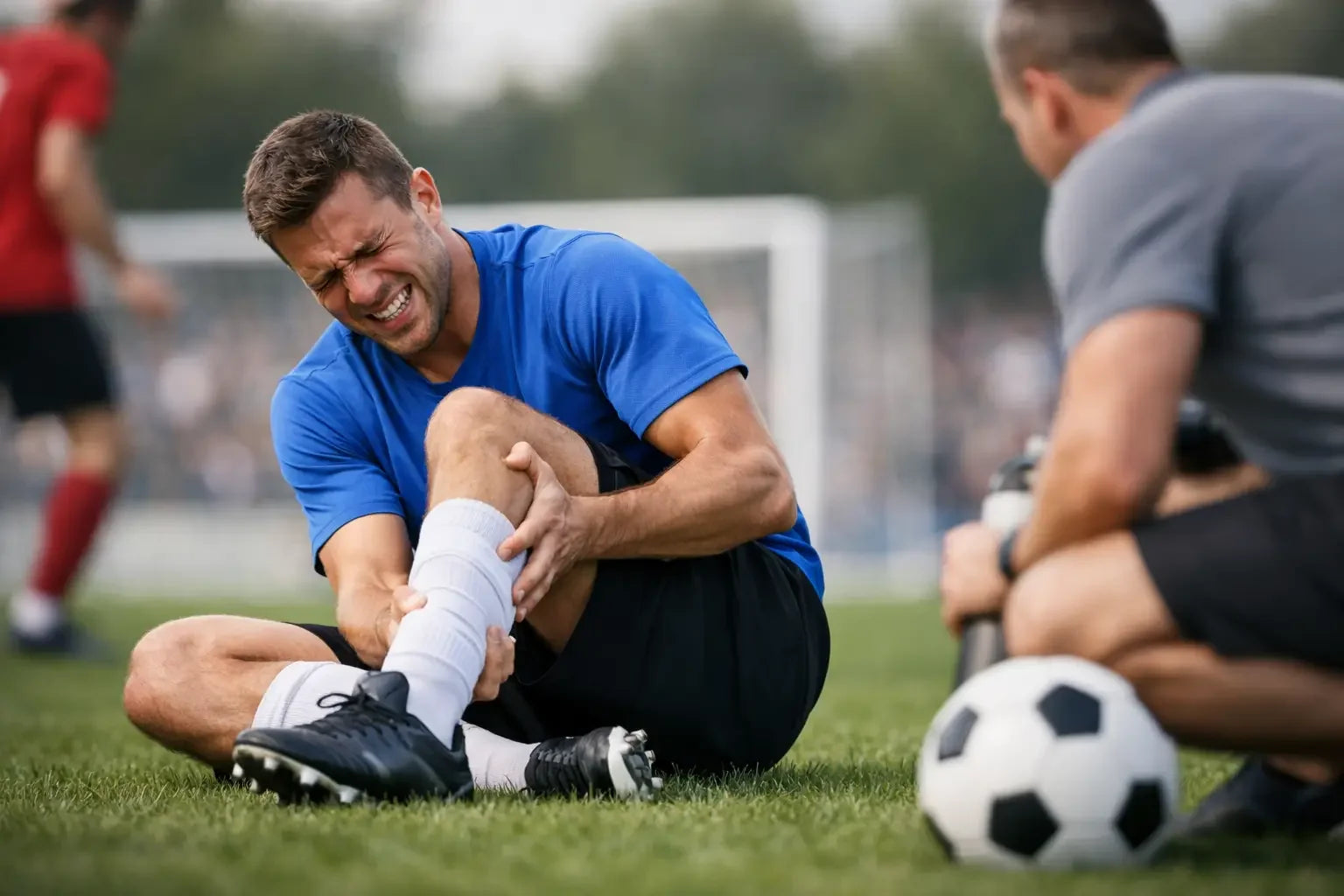
A calf locks up on the final hill. A hamstring grabs during a fourth-quarter sprint. Your foot curls into a knot just as you are about to push off. Athlete cramps do not wait for a convenient moment. They show up when the stakes are high, disrupt your mechanics, and can turn a strong performance into a survival exercise.
The old advice is simple: drink more water, take electrolytes, and hope for the best. Hydration matters for overall performance, especially in heat. But it does not fully explain why a well-hydrated athlete can still cramp late in a race or why one muscle can seize while the rest of the body feels fine. To fight cramps more effectively, athletes need to look beyond the water bottle.
What Causes Athlete Cramps?
Most exercise-associated muscle cramps are tied to neuromuscular fatigue. Put simply, the communication between your nerves and working muscles becomes less controlled when the demand exceeds what that muscle is prepared to handle. The muscle receives too much “contract” signaling and not enough “relax” signaling. The result is a painful, involuntary contraction that will not let go.
This is why cramps often strike near the end of hard efforts. A runner may cramp after a late-race surge. A tennis player may feel the calf tighten after repeated explosive changes of direction. A football player may cramp after a long, hot game with more snaps than expected. The common thread is not always dehydration. It is often fatigue, intensity, and a muscle being asked to do more than it can efficiently sustain.
Several factors can raise the odds:
- A sudden jump in training volume, speed, hills, heat exposure, or playing time
- Muscular fatigue from poor pacing, inadequate conditioning, or a hard previous session
- Repetitive movement patterns, especially sprinting, kicking, climbing, and pushing off
- Poor recovery, including insufficient sleep, fueling, or rest between demanding sessions
- Heat stress and meaningful fluid or sodium losses, particularly for heavy sweaters
No two athletes cramp for exactly the same reason. A marathoner with a history of late-race calf cramps needs a different plan than a basketball player whose hamstrings seize after repeated sprints. The goal is to find the pattern, then attack the cause instead of relying on luck.
Why Water and Electrolytes Are Not Always Enough
Electrolytes are essential for normal body function. Sodium, potassium, magnesium, and other minerals support fluid balance and nerve and muscle activity. If you are sweating heavily for hours, replacing fluids and sodium is smart performance preparation.
But electrolyte replacement is not an instant off switch for a cramp already in progress. A drink must be consumed, absorbed, and distributed before it can influence the body. That takes time. More importantly, many athletes cramp even when their hydration and sodium plans are solid.
That does not mean you should abandon hydration. It means hydration is one part of a complete strategy, not the entire strategy. The better question is: was this muscle conditioned for the exact intensity, duration, movement, and heat of this event?
What to Do When a Cramp Hits
First, do not try to power through a full cramp with sloppy mechanics. Forcing a locked muscle to produce more force can increase strain risk and turn a brief interruption into a longer recovery problem.
Ease off the effort, stabilize yourself, and gently lengthen the affected muscle. For a calf cramp, straighten the knee when possible and pull the toes toward the shin. For a hamstring cramp, gradually extend the knee and avoid bouncing. Slow, controlled stretching is more useful than aggressive yanking.
Once the cramp eases, walk or move lightly if you can do so without limping. Gentle motion can help restore normal muscle control. Then make an honest decision about returning to competition. If the muscle still feels weak, painful, or prone to grabbing again, reducing intensity is often the stronger competitive choice. One hard-headed sprint is not worth losing the next several weeks.
Athletes also need a portable response that works on the nerve signals involved in cramping. CrampsAWAY Sport/PRO is a food-grade oral formula designed to support Neuromuscular Efficiency (NME™) upon contact with the tongue, helping athletes address cramping fast without waiting for a drink, pill, or electrolyte mix to work through the digestive system. Its PRO formula is NSF Certified for Sport, a critical consideration for athletes who must avoid banned substances.
Preventing Athlete Cramps Starts Before Competition
The most reliable prevention plan is specific. If you cramp during steep climbs, train climbs. If you cramp during long shifts in hot weather, prepare for repeated high-output work in the heat. Your body adapts to the demands you repeatedly expose it to.
Build fatigue resistance, not just fitness
General conditioning is valuable, but cramp prevention often comes down to local muscular endurance. A cyclist may have excellent cardiovascular fitness but lack the hip flexor endurance needed for a new climbing course. A soccer player may be fast but not prepared for repeated accelerations after 70 minutes of play.
Add controlled event-specific fatigue to training. Progress sprint volume gradually. Practice race-pace running on tired legs. Strengthen the muscles that repeatedly cramp, then train them through the range and speed they will face on game day. Progression matters. A massive jump in workload is one of the fastest ways to expose a weak link.
Pace like the finish matters
Many cramps are preceded by an early effort that was too aggressive for the athlete’s current capacity. The pace can feel manageable at first because adrenaline is high and fatigue has not yet accumulated. The bill arrives later.
Use training data, perceived effort, and course knowledge to set a pace you can defend. This does not mean racing timidly. It means saving your biggest push for when your muscles can still answer the call. Smart pacing protects more than your finish time. It protects your form, confidence, and ability to compete to the end.
Have a personal hydration and fueling plan
For longer events, practice your fluid, sodium, and carbohydrate strategy during training. Do not experiment for the first time on race day. Heavy sweaters, athletes competing in heat, and endurance competitors may need more deliberate replacement than someone playing a short indoor event.
Avoid both extremes. Starting underhydrated can hurt performance, but overdrinking plain water can also be dangerous. Drink to a plan suited to your conditions, sweat rate, duration, and access to fluids. If you have medical conditions or take medications that affect fluid balance, get individualized guidance from a qualified clinician.
Respect recovery
A cramp-prone body is often a tired body. Sleep, enough total calories, adequate carbohydrate around demanding sessions, and recovery days all influence how well your nervous system and muscles handle stress. Training harder without recovering better is not toughness. It is a gamble.
Keep a simple cramp log for a few weeks. Track the muscle involved, event intensity, temperature, sleep, fueling, hydration, and whether you changed your training load. Patterns become obvious faster when they are written down. That information can help you adjust training before the next cramp costs you a result.
When Cramps Need More Than a Game-Day Fix
Most athlete cramps are manageable, especially when training and recovery improve. Still, recurring cramps deserve attention. Talk with a healthcare professional if cramps are frequent, severe, happen at rest, come with swelling or persistent weakness, or continue long after exercise ends. Seek prompt care for severe pain, dark urine, marked swelling, confusion, chest symptoms, or signs of heat illness.
Do not accept cramping as the price of being competitive. Treat it as performance feedback. Prepare the muscle for the work ahead, respond fast when it starts to seize, and give yourself the tools to keep moving when the moment demands more from you.

Share:
Does Muscle Fatigue Cause Cramping? The Real Answer