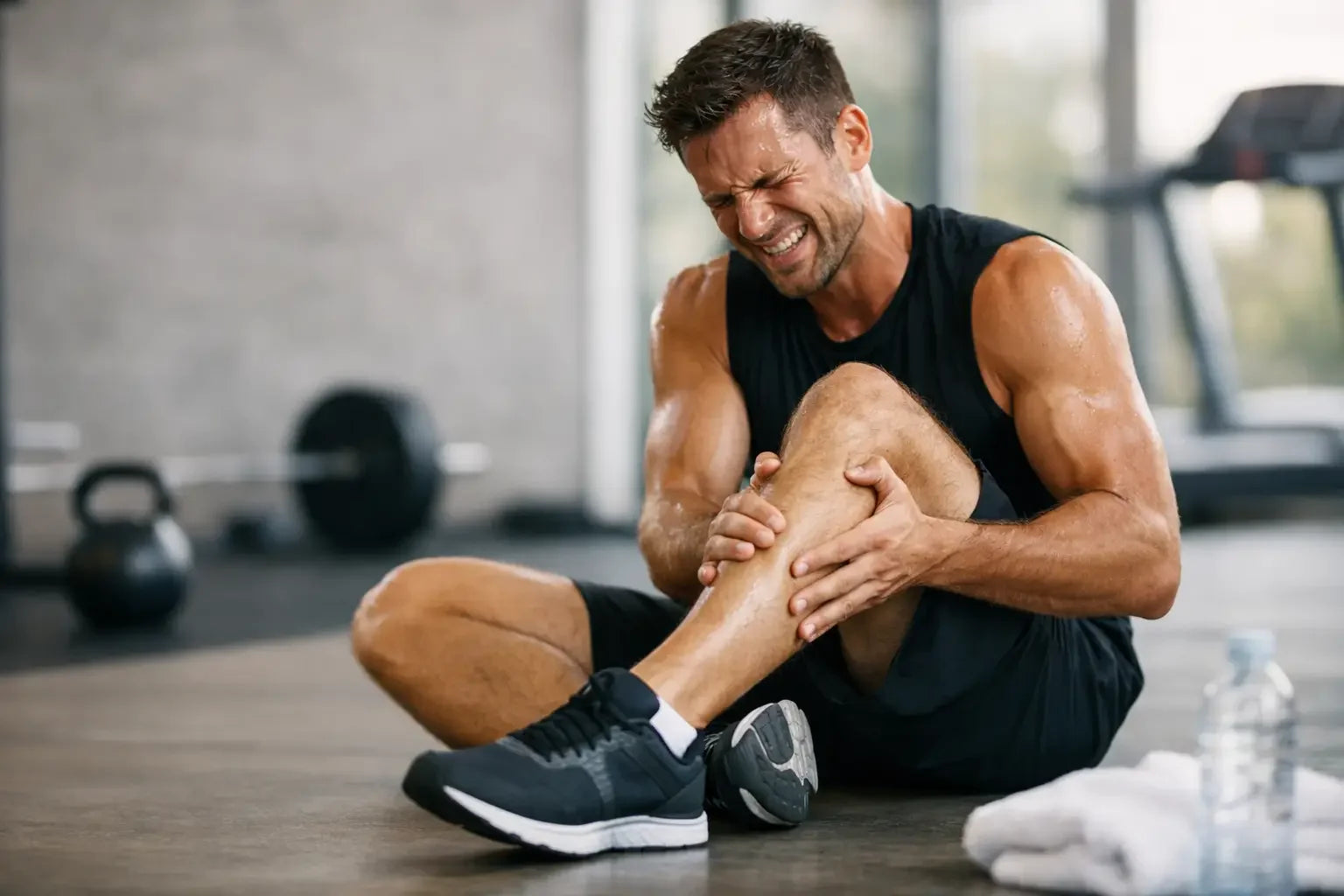
A calf seizes at mile 22. Your hamstring knots during the fourth quarter. A foot cramp wakes you in the middle of the night after a hard training day. In each case, the same question follows: does muscle fatigue cause cramping? Often, yes - but fatigue is rarely the entire story.
A cramp is a sudden, painful, involuntary muscle contraction. It can stop a race, change how you move, and leave you guarding the muscle long after the sharpest pain fades. For athletes and active people, the useful answer is not simply “drink more water.” It is understanding why a muscle reaches its breaking point, then having a plan to stay in control.
Does Muscle Fatigue Cause Cramping?
Muscle fatigue can absolutely raise the likelihood of cramping, especially when you train or compete harder, longer, or differently than your body is prepared to handle. But fatigue does not work like a switch that guarantees a cramp. Think of it as lowering the threshold.
As a muscle tires, the communication between the nervous system and the muscle can become less efficient. The normal balance of signals that tells a muscle when to contract and when to relax may become disrupted. If excitatory signals outweigh the signals that calm the muscle down, the muscle can fire repeatedly and painfully. That is the neuromuscular piece of exercise-associated cramping.
This is why cramps often show up late in an event, during a final hard effort, on hills, in hot conditions, or after a sudden jump in training volume. The muscle is working near its limit, and its ability to regulate contraction is under pressure.
Fatigue-driven cramps also tend to be specific. A cyclist may cramp in the quads. A runner may cramp in the calves or hamstrings. A swimmer may feel it in the feet. The cramping muscle is often the one that has been asked to do more work than it was conditioned to handle.
Why a Tired Muscle Can Suddenly Lock Up
Your muscles do not act alone. Every movement depends on ongoing feedback between muscle fibers, sensory receptors, the spinal cord, and the brain. During repeated, high-intensity effort, that feedback can change.
One leading explanation is altered neuromuscular control. In simple terms, fatigue may increase the signals encouraging a muscle to contract while reducing the protective signals that help it relax. The result is an involuntary contraction that feels impossible to release in the moment.
That explanation fits a familiar pattern: a fit athlete can be perfectly hydrated and still cramp when the pace becomes unsustainable. It also explains why slowing down, changing position, and gently stretching the affected muscle can sometimes help. You are not just dealing with a thirsty muscle. You are dealing with a muscle-and-nerve system that has become overexcited.
Training history matters here. If you are returning after time off, adding speed work, racing beyond your usual distance, or pushing through fatigue because the finish is close, your cramp risk can rise. Heat and poor recovery can add to that load, but they may not be the root cause.
What About Dehydration and Electrolytes?
Hydration still matters. Starting a long workout dehydrated can hurt performance, make heat stress worse, and leave you feeling depleted. Sodium losses can matter too, particularly for heavy sweaters during prolonged activity in the heat.
But dehydration and electrolyte loss do not explain every cramp - or even most exercise cramps in every setting. Plenty of athletes cramp despite following a hydration plan. Others sweat heavily without cramping. A quick electrolyte drink may support hydration over time, but it may not stop an active cramp in seconds because it does not directly address the immediate nerve signaling involved.
The smarter approach is not to dismiss fluids or electrolytes. It is to stop treating them as the only answer. Build a hydration strategy that fits your sweat rate, climate, session duration, and personal needs. Then address the performance factors that commonly trigger cramps: pacing, conditioning, recovery, and neuromuscular fatigue.
The Most Common Fatigue-Related Cramp Triggers
A cramp often comes from several stressors stacking up at once. The athlete who cramps is not necessarily underprepared overall. They may simply have hit a demand their body was not ready to repeat that day.
Common triggers include:
- A sudden increase in mileage, intensity, hills, or training volume
- Racing or training at a pace above current conditioning
- Long efforts in heat or humidity
- Muscle damage and incomplete recovery from a previous hard session
- Holding one position for too long, such as pointed toes in the pool or a sustained cycling posture
- Poor sleep, illness, or other stress that reduces recovery capacity
What to Do When a Muscle Cramp Hits
First, do not panic and do not forcefully fight the cramp. Reduce the effort immediately. If it is safe to stop, stop. Gently lengthen the affected muscle and hold the stretch without bouncing. For a calf cramp, pull the toes toward the shin. For a hamstring cramp, carefully straighten the knee and hinge forward only as far as is comfortable.
Once the spasm eases, move gently. A short walk, easy range-of-motion work, or light massage can help the muscle settle. Returning immediately to an all-out pace is how a brief cramp becomes the beginning of a longer problem.
For athletes who want a portable option designed for the neuromuscular side of cramping, CrampsAWAY Sport/PRO uses food-grade ingredients and NME™ to support the nerve signals involved in muscle control. It is also NSF Certified for Sport, which matters when athletes need confidence in what they use on race day, at practice, and during recovery.
If cramps are recurring, track the circumstances instead of guessing. Note the location, time into the workout, intensity, temperature, prior training, sleep, and hydration. Patterns are valuable. Cramps that only appear in the final miles of a race point toward a different solution than cramps that strike at rest every night.
Prevent Fatigue From Becoming a Cramp
The best prevention plan is specific to the task. If hills cause calf cramps, build hill tolerance gradually. If late-race hamstring cramps are the issue, train the ability to hold goal pace while fatigued. If repeated hard sessions leave you cramping at night, recovery may need as much attention as the workout itself.
Progressive overload is your advantage. Increase training demands gradually enough that muscles, tendons, and your nervous system can adapt. Practice race fueling and hydration in training, not for the first time on competition day. Strength work can also help when it targets the muscles and positions that break down during your sport.
Pacing deserves an honest look. Sometimes a cramp is useful feedback that your effort exceeded your current capacity. That does not mean you should lower your goals. It means you build the capacity to match them, one session at a time.
When Cramps Need Medical Attention
Most occasional exercise cramps are not dangerous, but repeated or unexplained cramping deserves a conversation with a healthcare professional. Get medical advice if cramps are frequent, severe, happen without exercise, come with weakness, numbness, swelling, redness, or muscle wasting, or begin after a medication change.
Seek prompt care for cramping with chest pain, trouble breathing, confusion, severe heat illness symptoms, or dark urine after extreme exertion. Those signs are not a normal “push through it” moment.
Muscle fatigue can cause cramping because tired muscles are more likely to lose their normal contract-and-release control. Your answer is not to fear fatigue. Train for it, recover from it, respond quickly when a cramp hits, and keep building the capacity to finish strong.

Share:
Heat Cramp Treatment That Gets You Moving Again
Athlete Cramps: Why They Happen Mid-Game