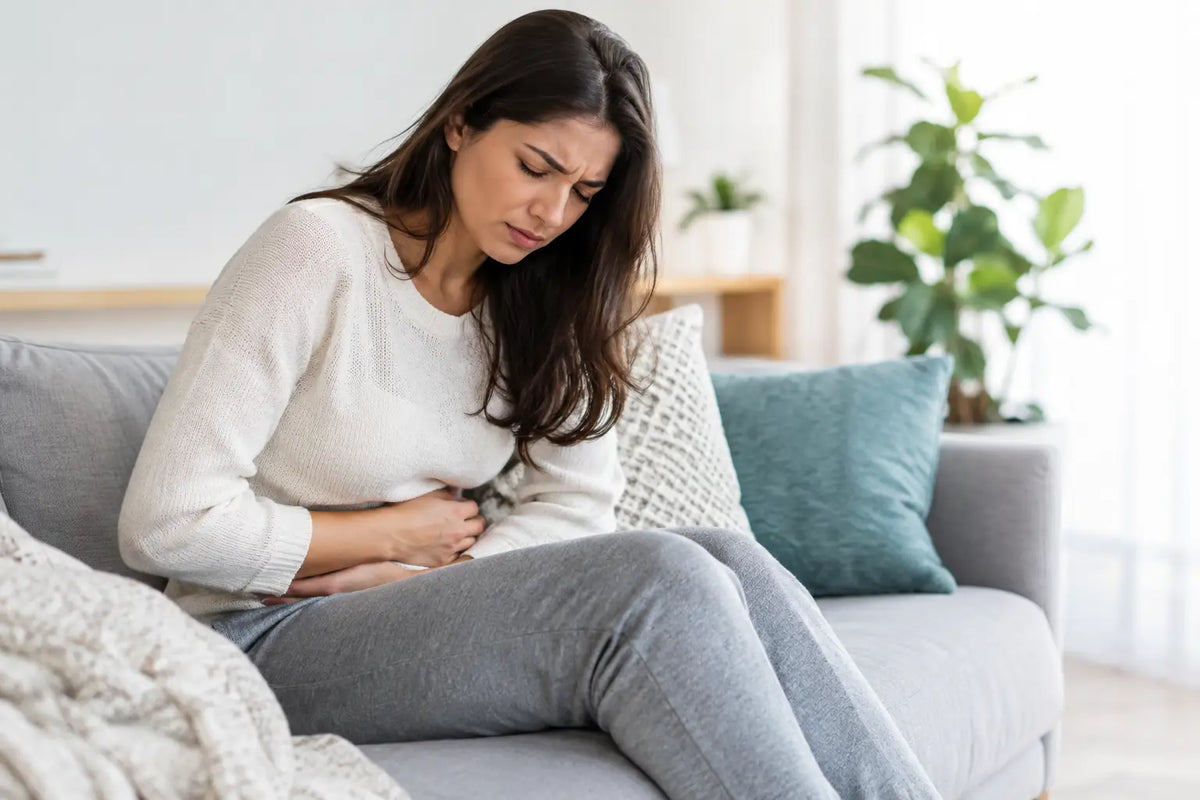
A period should not be a monthly command to cancel plans, miss class, work through pain in silence, or sit out training. This guide to dysmenorrhea symptom management is built for the moments when cramps threaten your momentum - and for creating a plan that gives you more control before pain takes over.
Dysmenorrhea is the clinical term for painful menstrual cramps. Primary dysmenorrhea is common cramping that occurs without another pelvic condition, often beginning around the start of a period. Secondary dysmenorrhea is pain connected to an underlying cause, such as endometriosis, fibroids, adenomyosis, pelvic inflammatory disease, or an ovarian cyst. The distinction matters because the right response depends on the source, severity, and pattern of your symptoms.
Start With a Cramp Plan, Not a Last-Minute Scramble
The most useful symptom-management plan is realistic enough to use on a busy Tuesday, during a shift, before an exam, or on the way to practice. Track your cycle and symptoms for two to three months: when pain starts, how long it lasts, where it occurs, how intense it is, and whether bleeding, digestion, sleep, mood, or movement changes alongside it.
This record can reveal patterns. Some people feel pain the day before bleeding begins, while others get hit hardest during the first 24 to 48 hours. Knowing your usual window lets you prepare a heating pad, comfortable clothes, food, hydration, medications if you use them, and a portable relief option before cramps dictate the day.
Also notice what you mean by “cramps.” Lower-abdominal tightening is common, but back pain, nausea, diarrhea, headaches, fatigue, and pain radiating into the thighs can all accompany dysmenorrhea. A complete picture helps you choose strategies that address your experience rather than a generic idea of period pain.
Fast Dysmenorrhea Symptom Management at Home
Heat is one of the most dependable non-drug tools for menstrual cramping. A heating pad, hot water bottle, heat wrap, or warm bath can relax tense muscles and make pain more manageable. Use a protective layer between your skin and a heat source, and avoid falling asleep with a device that is not designed for overnight use.
Gentle movement can also help, even when a hard workout feels impossible. A slow walk, hip-opening stretches, light yoga, or easy cycling may reduce stiffness and improve comfort. This is not a demand to push through severe pain. If movement worsens symptoms, scale back. The goal is to support your body, not prove toughness.
Food and fluids are not instant cures, but they can keep cramping from being compounded by low energy, dehydration, or an empty stomach. Aim for regular meals with protein, fiber, and carbohydrates you tolerate well. If bloating or diarrhea is part of your period pattern, simpler foods and steady hydration may feel better than large, heavy meals.
Sleep deserves a place in the plan, too. Pain lowers sleep quality, and poor sleep can make pain feel harder to manage the next day. On high-cramp days, reduce what you can: move nonessential tasks, build in recovery time, and choose positions that take pressure off your abdomen or lower back.
Medication Choices: Effective for Some, Not Right for Everyone
Nonsteroidal anti-inflammatory drugs, often called NSAIDs, are a common first-line option for primary dysmenorrhea. They work by reducing prostaglandins, compounds involved in the uterine contractions that can cause menstrual pain. For many people, they work best when taken early, at the first sign of symptoms or as directed by a clinician based on a predictable cycle.
But common does not mean consequence-free. NSAIDs can cause stomach upset and are not appropriate for everyone, including some people with kidney disease, ulcers, bleeding conditions, certain heart risks, or medication interactions. Follow the label and ask a clinician or pharmacist if you are unsure. Do not stack products with the same active ingredient or exceed dosing instructions.
Hormonal birth control can reduce cramps for some people by changing ovulation and menstrual bleeding patterns. It can be a useful clinical option, but it is personal healthcare, not a one-size-fits-all answer. Your goals, medical history, side-effect tolerance, and desire for contraception all belong in that decision.
For people who want a non-hormonal, portable approach to cramp disruption, CrampsAWAY For Her is designed around food-grade ingredients and Neuromuscular Efficiency (NME™), which focuses on the nerve signals involved in cramping rather than simply masking pain. It is a practical option to discuss with your healthcare professional, especially if maintaining school, work, travel, or training matters on the days cramps usually take control.
Support Your Body Between Periods
There is no lifestyle routine that guarantees a pain-free cycle, and anyone promising that is oversimplifying a complex issue. Still, a few consistent habits can improve your baseline resilience and help you learn what changes your symptoms.
Regular physical activity is associated with less painful periods for some people, but the best routine is the one you can sustain. Strength training, walking, swimming, dance, cycling, and team sports can all count. During your period, adjust intensity based on how you feel. An easier session is still a win when it keeps you connected to your routine without increasing pain.
Stress management is equally practical, not performative. When your nervous system is already stretched by deadlines, caregiving, competition, or poor sleep, pain can feel louder. A few minutes of breathing, a short outdoor walk, a screen break, or asking someone for help will not erase dysmenorrhea, but it can create more room to cope.
If you are trying supplements, be selective. “Natural” does not automatically mean safe, effective, or compatible with your medications. Some supplements can affect bleeding, digestion, or prescription drugs. Bring the actual product label to a pharmacist or clinician rather than relying on broad internet advice.
When Period Pain Needs Medical Attention
Severe cramps are not something you should be expected to normalize. Schedule a medical evaluation if pain suddenly worsens, starts after years of relatively manageable periods, fails to improve with your usual measures, or regularly prevents you from attending school, working, sleeping, or doing normal activities.
Other reasons to call a clinician include very heavy bleeding, bleeding between periods, pain during sex, pain with bowel movements or urination around your cycle, infertility concerns, fever, unusual discharge, or pelvic pain that continues when you are not menstruating. These symptoms do not automatically mean a serious condition, but they deserve a proper assessment.
Seek urgent care for severe sudden pelvic pain, fainting, fever with pelvic pain, heavy bleeding that soaks through pads or tampons rapidly for multiple hours, a positive pregnancy test with pain or bleeding, or symptoms that feel dramatically different from your usual period. Trust the change in your body, especially when the pain is intense or escalating.
Make the Appointment More Productive
Bring your symptom notes, a list of what you have tried, your medication and supplement list, and a clear statement of how pain affects your life. Instead of saying, “My cramps are bad,” try, “For two days each month, I miss work, vomit from pain, and cannot stand upright without medication.” Specific impact helps guide the conversation.
You can ask what may be causing the pain, whether testing is appropriate, what options fit your preferences, and what the next step is if the first treatment does not work. You deserve answers, not dismissal.
Build a Plan That Protects Your Momentum
The best dysmenorrhea management strategy is usually layered: early action, a reliable comfort tool, smart medication decisions where appropriate, recovery habits, and medical support when symptoms signal more than routine cramps. Keep the plan simple enough to use when you are tired and hurting.
Period pain may be common, but losing your life to it should not be. Pay attention to your pattern, prepare before the first cramp, and keep advocating for care that lets you move through your cycle with more comfort, confidence, and control.

Share:
Best Recovery Support After Cramping That Works
Office Worker Period Productivity at Work