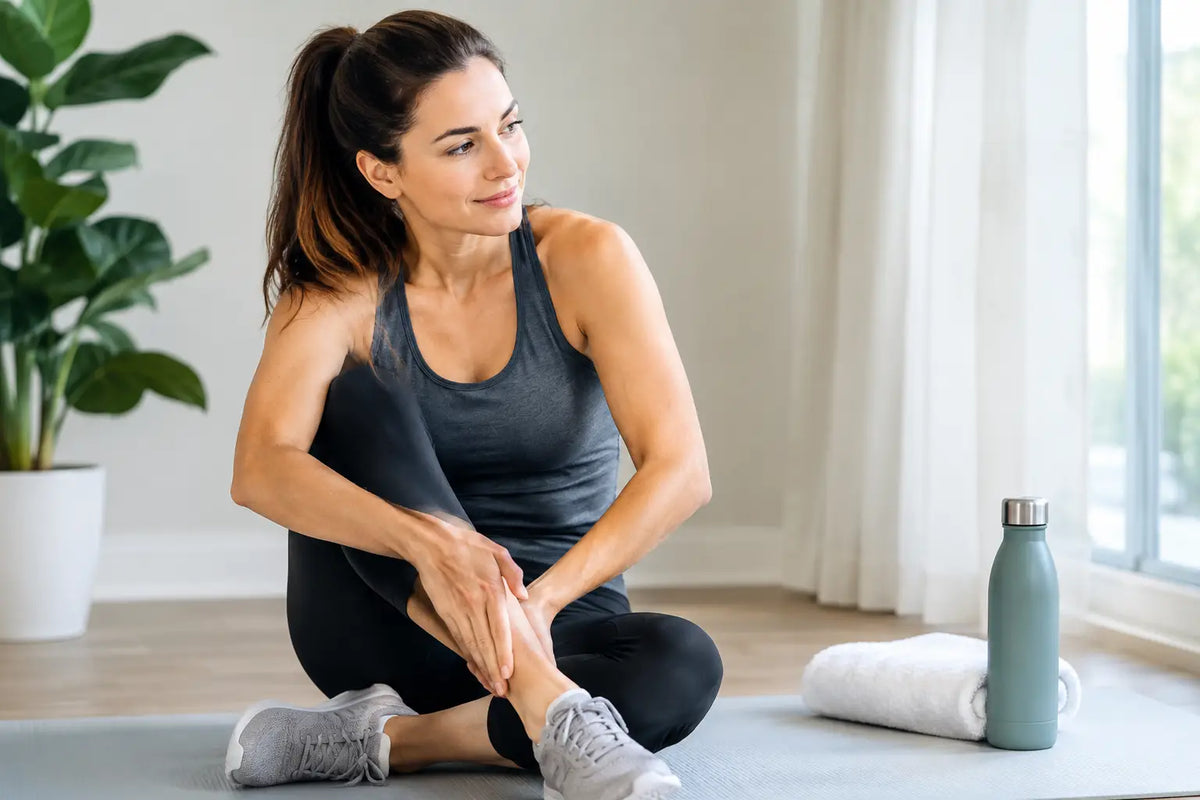
A cramp can be over in seconds, yet the tightness, soreness, and hesitation afterward can linger far longer. The best recovery support after cramping is not about waiting around for a muscle to feel normal again. It is about calming the event quickly, restoring comfortable movement, and giving your body the support to finish the day, race, workout, or night with confidence.
For athletes, a cramp can steal a finish, disrupt training, or make the next rep feel risky. For anyone dealing with night cramps, it can turn one sharp wake-up call into a restless morning. And when menstrual cramping has been intense, the recovery period can leave you drained even after the worst pain has passed. The right response depends on the kind of cramp and what triggered it, but the goal stays the same: get your body back on your side.
Why You Can Still Feel Off After a Cramp
A cramp is a sudden, involuntary muscle contraction. When it releases, the muscle may still feel tender because it has been working hard while locked in a shortened position. You may also instinctively guard the area, moving differently to avoid another cramp. That can leave the calf, hamstring, foot, abdomen, or other affected area feeling stiff and unsettled.
Many people immediately blame dehydration or low electrolytes. Fluids and nutrition matter, especially after heavy sweat loss, heat exposure, vomiting, diarrhea, or prolonged exercise. But they are not the whole story. Exercise-associated muscle cramps are often connected to fatigue and disrupted nerve-to-muscle signaling. That is why drinking water alone may not stop a cramp already happening or restore confidence when the muscle is threatening to seize again.
Recovery works best when it addresses what your body needs in that moment: gentle release, a smart reset, and a way to support normal neuromuscular control.
Best Recovery Support After Cramping: Start With a Reset
First, stop the movement that triggered the cramp. Trying to power through a locked calf in the middle of a sprint or forcing a cramped foot into a shoe can make soreness worse. Take a breath, get stable, and slowly lengthen the muscle without bouncing or yanking it.
For a calf cramp, straighten the knee if comfortable and pull the toes toward the shin. For a hamstring cramp, gently extend the leg and avoid forcing a deep stretch. With a foot cramp, slowly spread and flex the toes. The stretch should feel like relief, not a test of toughness. Hold it briefly, release, and repeat only if it continues to help.
Once the cramp has eased, add easy movement. A short walk, slow ankle circles, or light range-of-motion work can help the area transition from guarded and tight to functional again. Do not jump right back into maximal effort because the cramp stopped. Give the muscle a few minutes to prove that it can move normally.
Heat can feel soothing when a muscle stays tense or sore after cramping. A warm shower, heating pad, or warm compress may help you relax the area. If you are dealing with a fresh strain, swelling, or a sharp injury-type pain rather than a typical cramp, skip the heat and get evaluated instead.
Replace What You Actually Lost
After a hard session, hot day, or stomach illness, rehydration is still part of recovery. Sip fluids rather than chugging a huge amount at once, and eat a regular meal or snack that includes carbohydrates, protein, and sodium when appropriate. This supports recovery from the work that led up to the cramp.
But do not confuse aftercare with an immediate answer. Electrolytes take time to digest and distribute. They can be useful for overall hydration strategy, but they are not designed to flip an active cramp off on contact. If your cramps tend to strike during competition, long shifts, travel, or overnight, you need a faster tool in your plan.
Support the Nerve Signals Behind the Cramp
When a muscle is threatening to lock up, the fastest relief strategy is not always another pill, a sugary drink, or a long break on the sidelines. Cramping involves the communication between nerves and muscles. Supporting that communication can help the body release the contraction and return to controlled movement.
That is the thinking behind NME™ - Neuromuscular Efficiency. Rather than masking discomfort or waiting for hydration products to work through digestion, NME™ supports the nerve signals involved in cramping. For people who need to keep moving, that difference matters.
CrampsAWAY uses patented, food-grade oral formulas designed to work upon contact with the tongue. Its approach is hormone-free and made for real-life moments when you do not have time to lose: a runner tightening up late in a race, a player cramping in the heat, a person woken by a painful calf spasm, or someone trying to get through a period without putting life on pause. For competitive athletes, its PRO formula is NSF Certified for Sport, offering added confidence around banned-substance testing.
Use fast cramp support as directed, then reassess your movement. If the muscle releases and you feel steady, return gradually. In a race or game, that might mean walking briefly, testing a few controlled motions, then building back toward intensity. The win is not simply making the pain disappear. It is regaining control without setting yourself up for another cramp two minutes later.
Recover Differently for Training, Night Cramps, and Period Cramps
Context changes what recovery should look like. After an exercise cramp, reduce the intensity that day if the muscle still feels weak, unusually sore, or close to cramping again. Review the conditions: Was training load higher than usual? Did heat, hills, pace, or fatigue outmatch your preparation? A cramp can be useful feedback that your body needs a better pacing, fueling, conditioning, or recovery plan.
After a night cramp, prioritize a calm reset over an aggressive stretch in the dark. Sit up slowly, release the muscle, and take a few easy steps if you can do so safely. Keep a quick-response option near the bed and consider whether sleep position, training fatigue, prolonged standing, or certain medications could be contributing. Repeated night cramps are not something you have to simply accept as part of getting older.
After intense menstrual cramping, recovery may mean reducing physical demands where possible, using warmth, hydrating normally, eating something nourishing, and choosing relief that does not leave you drowsy or foggy. The standard should be more than surviving the pain. You deserve support that lets you show up for school, work, training, and the plans you made.
Do Not Ignore These Warning Signs
Most cramps resolve with simple care, but some symptoms call for medical attention. Contact a healthcare professional promptly if cramping is frequent and unexplained, severe, or paired with swelling, redness, warmth, weakness, numbness, or persistent pain. Seek urgent care for chest pain, trouble breathing, fainting, or one-sided leg swelling.
For menstrual cramps, talk with a clinician when pain is suddenly worse than usual, regularly causes missed school or work, occurs outside your period, or comes with unusually heavy bleeding. For athletes, a cramp that follows a pop, bruising, inability to bear weight, or major loss of strength may be an injury, not a routine spasm.
The best recovery plan is the one you can use before discomfort turns into a full stop. Keep your response simple: release the muscle, move gently, replace fluids and food when the situation calls for it, and use fast nerve-signal support when you need your body to respond now. A cramp may interrupt the moment, but it does not get to decide what happens next.

Share:
Are Cramp Lozenges Safe for Fast Cramp Relief?
Guide to Dysmenorrhea Symptom Management