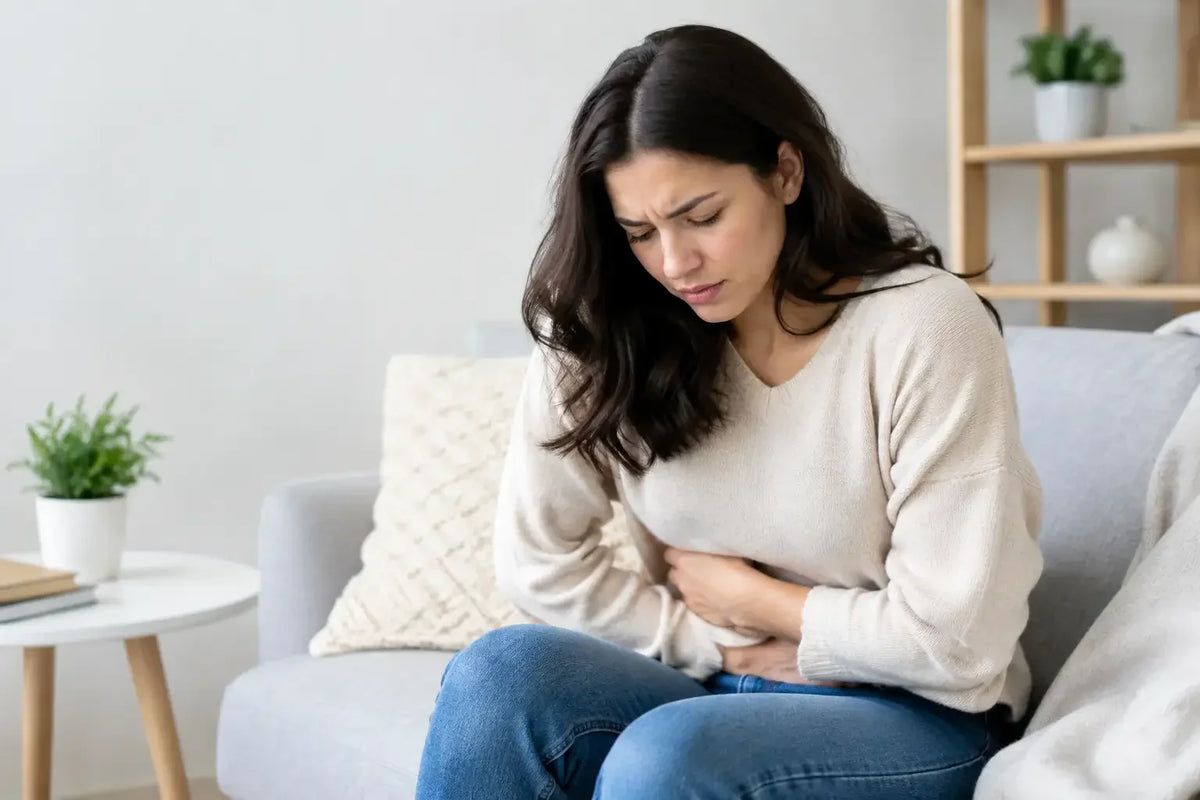
A cramp that makes you miss class, cancel plans, or brace yourself through a meeting is not something you should be expected to simply push through. Menstrual cramp research is changing the conversation from “period pain is normal” to a more useful question: what is driving the pain, and what can help you get your day back?
For many people, the answer is not one-size-fits-all. Some need medical evaluation. Some benefit from anti-inflammatory medication, heat, movement, or hormonal treatment. Others want a hormone-free option that supports fast relief without the drowsiness, stomach upset, or brain fog they associate with conventional pain solutions. Knowing what the research does and does not say helps you make that choice with more confidence.
What menstrual cramp research tells us about pain
Primary dysmenorrhea is the medical term for painful menstrual cramps without another underlying pelvic condition. Research links it largely to prostaglandins, naturally occurring compounds involved in uterine contractions. When prostaglandin activity is high, the uterus can contract more strongly. Those contractions may temporarily reduce blood flow and oxygen to uterine tissue, contributing to the aching, gripping, or sharp pain many people feel in the lower abdomen.
The experience rarely stops there. Menstrual cramps can travel into the back and thighs, while nausea, diarrhea, headache, fatigue, and poor sleep can add to the disruption. Pain also affects the nervous system. When the body is repeatedly anticipating or responding to intense pain, everyday concentration and physical output can take a real hit.
That is why “just take something” often feels inadequate. The practical goal is not simply to dull discomfort. It is to reduce the cramp response enough that you can move, think, train, work, and rest without your period taking over the schedule.
Not all severe cramps are the same
Research also makes a critical distinction: severe or worsening cramps are not always primary dysmenorrhea. Endometriosis, fibroids, adenomyosis, pelvic inflammatory disease, and other conditions can cause significant pelvic pain. A product, heat pack, or pain reliever should never replace an evaluation when symptoms raise a flag.
Talk with a clinician if pain is new or progressively worse, starts well after your teenage years, continues beyond your period, occurs with unusually heavy bleeding, or does not improve with the approaches you have tried. Pain with sex, bowel movements, or urination also deserves a medical conversation. Getting answers is not overreacting. It is protecting your health and your future options.
Why the traditional advice does not work for everyone
Nonsteroidal anti-inflammatory drugs, often called NSAIDs, are a common first-line approach because they can reduce prostaglandin production. For many people, they work well, particularly when taken early in the cycle. But they are not a perfect fit for every body or every routine. Stomach irritation, nausea, medication interactions, kidney concerns, and personal health history may limit their use.
Hormonal contraceptives can reduce cramps for some people by changing ovulation and menstrual patterns. That can be a valuable medical option, especially when a clinician recommends it. Still, some people do not want hormones, cannot use them, or do not experience the relief they hoped for.
Heat has meaningful support in menstrual cramp research and is low-risk for many people. Gentle exercise, sleep, stress support, and regular movement can also help some people manage symptoms over time. The trade-off is speed and predictability. A heating pad is useful when you can stay put. A walk may help when you have the energy to take one. Neither is always realistic when a cramp hits between lectures, before a presentation, or on the way to practice.
The nerve-and-muscle connection deserves attention
Menstrual pain begins in the uterus, but the full cramp experience involves communication among muscles, nerves, and the brain. This is one reason people can feel a sudden, intense spasm rather than only a steady ache. The muscle contracts, sensory nerves signal pain, and the nervous system responds in a loop that can feel impossible to ignore.
Emerging approaches to cramp management pay closer attention to that neuromuscular connection. Rather than treating cramping as only a hydration issue or simply covering pain after it begins, the focus is on influencing the nerve signals involved in muscle contraction.
That distinction matters for active people. If you are trying to finish a shift, sit for an exam, coach a game, or show up for a workout, you need an option that fits real life. Relief that is portable, food-grade, hormone-free, and designed for use at the first sign of a cramp can give you more control in the moments when a heating pad and a nap are not available.
What “fast relief” should mean
Fast relief is a reasonable goal, but it should be understood honestly. Research on menstrual pain includes many types of interventions, different study designs, and varying definitions of success. What works in one study or for one individual may not work identically for another.
Your own response can depend on when you use an option, the intensity of your cramps, your cycle pattern, sleep, stress, and whether an underlying condition is present. A useful strategy is to act early. Waiting until pain becomes overwhelming can make any relief plan harder to evaluate.
Track what happens for two or three cycles: when the cramps begin, how quickly they peak, what you use, and how your symptoms change. This is not busywork. A simple record can reveal whether a treatment is helping enough, whether timing needs to change, or whether it is time to bring clearer information to your clinician.
Choosing a hormone-free cramp strategy
A smart cramp strategy begins with your non-negotiables. You may prioritize speed because pain interrupts your workday. You may prioritize ingredients because you are tired of relying on pills. You may need something discreet enough for a backpack, desk drawer, or gym bag. Those are not minor preferences. They determine whether you will actually use the solution when you need it.
Look for transparent ingredients, clear directions, and claims that match the evidence available. Be cautious of any approach presented as a replacement for medical care or a guaranteed answer for every kind of pelvic pain. The strongest wellness tools support your decisions. They do not ask you to ignore warning signs.
CrampsAWAY For Her is designed for people who want a food-grade, hormone-free option at the first sign of menstrual cramping. Its approach centers on Neuromuscular Efficiency (NME™), targeting the nerve signals behind cramping rather than relying on slow electrolyte replenishment or simply masking symptoms. For someone who wants to stay clear-headed and in motion, that focus can be especially appealing.
Put research into a plan you can use
The most effective plan is often layered. Keep your preferred relief option accessible before your expected start date. Use heat when you have the time and it helps. Maintain the movement and recovery habits that support your body between cycles. If you use medication, follow the label and speak with a clinician or pharmacist about safety based on your health history.
Most of all, do not measure success by whether you endured the pain quietly. Measure it by whether you had more freedom in your day. Menstrual cramp research continues to sharpen the science, but you do not have to wait for a perfect solution to start advocating for relief that lets you keep your momentum.

Share:
Oral Cramp Relief Product Reviews That Matter
What Causes Nighttime Cramps? Common Triggers