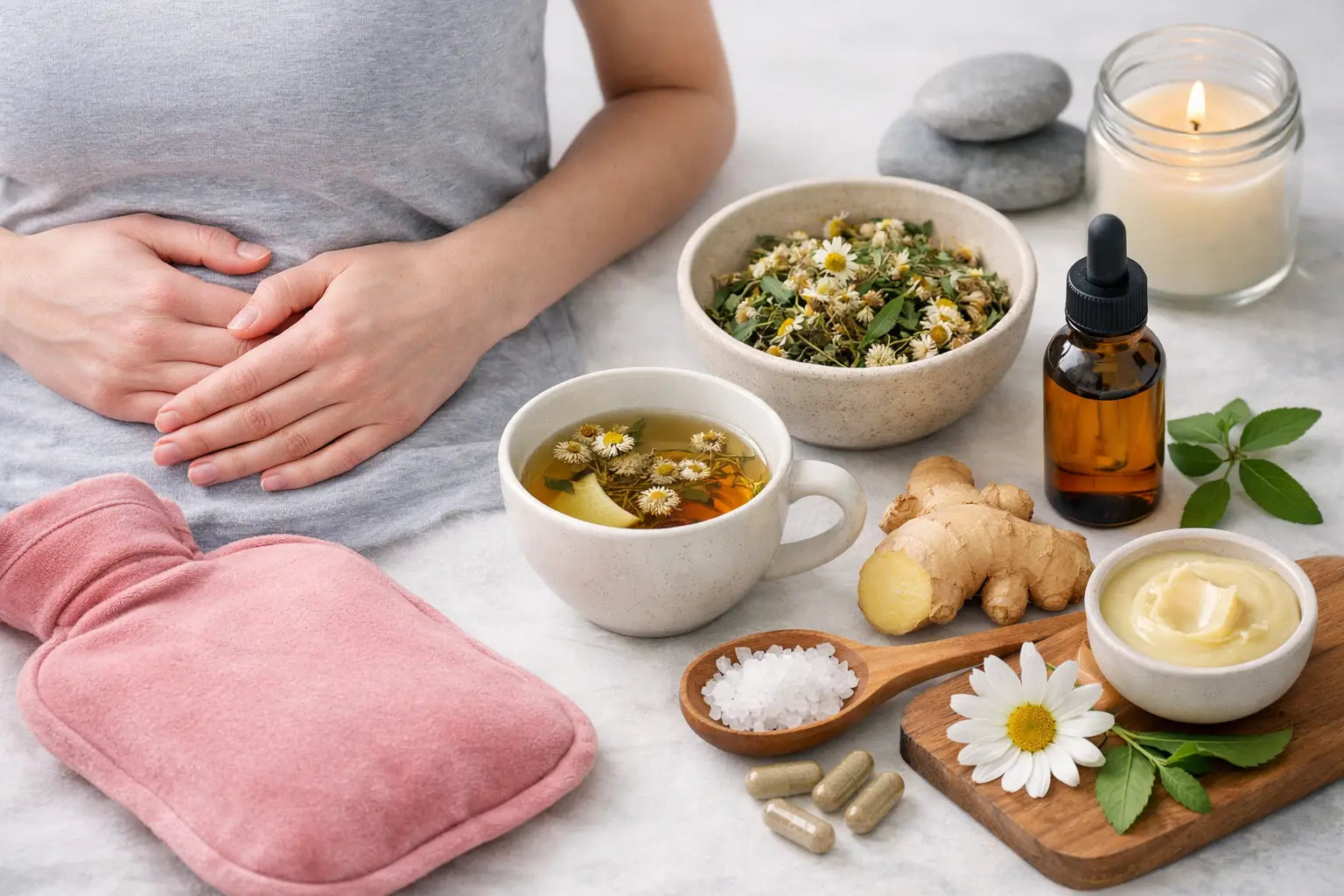
A period should not force you to cancel class, white-knuckle a meeting, skip training, or spend the day curled around a heating pad. Many people start looking for period pain medication alternatives because conventional pain pills can bring stomach upset, drowsiness, brain fog, or the frustration of waiting for relief when cramps are already in full force.
You deserve options that support your body without putting your day on pause. The right approach depends on your symptoms, health history, and how quickly you need relief, but there are practical ways to build a cramp plan that feels more in your control.
Why Look Beyond Conventional Pain Pills?
Over-the-counter anti-inflammatory pain relievers help many people with menstrual cramps. They can reduce the prostaglandins involved in uterine contractions, especially when taken early in the cycle. But they are not the only route, and they are not ideal for everyone.
Frequent use may be hard on the stomach for some people. Others cannot take certain medications because of medical conditions, interactions, allergies, or personal preference. And sometimes the issue is less about whether a pill works and more about whether it works fast enough to save the presentation, practice, commute, or night out that cramps are trying to steal.
Hormonal birth control is another option that may reduce cramps for some people, but it is a personal medical decision, not a default answer. If you want hormone-free support, or simply want tools that can work alongside your clinician-approved plan, alternatives are worth knowing.
Period Pain Medication Alternatives for Real Life
The most useful cramp strategies are portable, repeatable, and realistic enough to use when life is busy. Think of them as a toolkit, not a test of toughness. You do not need to earn relief by suffering first.
Use heat strategically
Heat is a classic for a reason. A heating pad, heat wrap, warm bath, or hot water bottle can relax tight muscles and make cramping feel more manageable. Heat wraps can be especially useful when you need to stay mobile at school, work, or while traveling.
The trade-off is speed and convenience. Heat may take time, and a wall outlet or bulky pad is not always practical. Be careful with temperature and duration to avoid skin irritation or burns, particularly if you fall asleep with a heating device.
Keep your body moving - gently or intensely, depending on the day
For some people, a slow walk, hip-opening stretches, yoga, or light cycling helps reduce the clenched, stagnant feeling of cramps. Movement can increase circulation, release tension, and lift the mood hit that often travels with period pain.
This is not a command to push through severe pain. On a high-pain day, five minutes of easy movement may be plenty. On a lower-pain day, a workout might help you feel strong and normal again. Let your symptoms set the pace.
Support the basics before your period starts
Sleep, regular meals, hydration, and consistent exercise will not erase every cramp, but they can influence how resilient your body feels through a cycle. Some people also find that limiting alcohol around their period, eating regularly to avoid energy crashes, and prioritizing sleep makes rough days easier to manage.
Magnesium is often discussed for muscle function and menstrual comfort. It may be useful for some people, but supplements are not one-size-fits-all. They can cause digestive effects, interact with medications, and vary in quality. Ask a clinician or pharmacist before adding one, especially if you have kidney disease, take prescriptions, or are pregnant.
Try targeted, hormone-free cramp support
When cramps hit, a slow routine is not always enough. You may want a portable option built for the exact moment your body starts to lock up.
CrampsAWAY For Her is a food-grade, hormone-free oral formula designed to support menstrual cramp relief starting on contact with the tongue. Its approach centers on Neuromuscular Efficiency (NME™), targeting the nerve signals involved in cramping rather than simply trying to mask discomfort after it arrives. That matters when you need to get through a shift, a lecture, a flight, or a workout without waiting around for your day to improve.
A fast-acting cramp tool can fit alongside heat, rest, or gentle movement. It is not about pretending your period is not happening. It is about having a response ready before cramps take over your schedule.
Build a Cramp Plan Before the First Twinge
The best time to decide what you will use is not when you are already distracted by pain. If your cycle is fairly predictable, keep your preferred tools in your backpack, desk drawer, gym bag, or car before your period begins.
Your plan might be as simple as packing a heat wrap, comfortable underwear, a water bottle, a snack, and hormone-free cramp support. If you do use medication, follow label directions and discuss frequent use with a healthcare professional. Do not stack products casually or exceed recommended doses because the first option did not work as quickly as you hoped.
Track your symptoms for two or three cycles, too. Note when cramps begin, where they occur, how long they last, what they interrupt, and what actually helps. That record can reveal patterns and give a clinician much better information if you need more support.
When Period Pain Needs Medical Attention
Severe period pain is common, but it should never be dismissed as something you simply have to endure. Conditions such as endometriosis, fibroids, adenomyosis, pelvic inflammatory disease, and ovarian cysts can contribute to painful periods. Getting checked is not overreacting. It is protecting your health and your future comfort.
Make an appointment if pain is getting worse over time, disrupts normal activities despite self-care, begins suddenly after years of manageable periods, or comes with heavy bleeding, pain during sex, pain between periods, fever, fainting, unusual discharge, or bowel and bladder changes. Seek urgent care for sudden severe pelvic pain, especially with fever, vomiting, dizziness, or possible pregnancy.
A clinician can help you sort out whether your cramps are primary menstrual cramps or a sign of an underlying condition. More options may be available than you realize, and you deserve a plan tailored to your body.
Relief Should Not Require You to Retreat
There is no prize for powering through pain with no support. Period pain medication alternatives can give you more choice: comfort measures for home, movement for tension, thoughtful lifestyle support, and fast hormone-free tools for the moments you need to stay in motion.
Start with what fits your body and your routine, pay attention to what delivers meaningful relief, and speak up when your pain is bigger than a basic cramp. Your calendar, goals, and confidence do not have to belong to your period.

Share:
Electrolytes Versus Cramp Relief: What Works?
Neuromuscular Cramping Science Explained Clearly