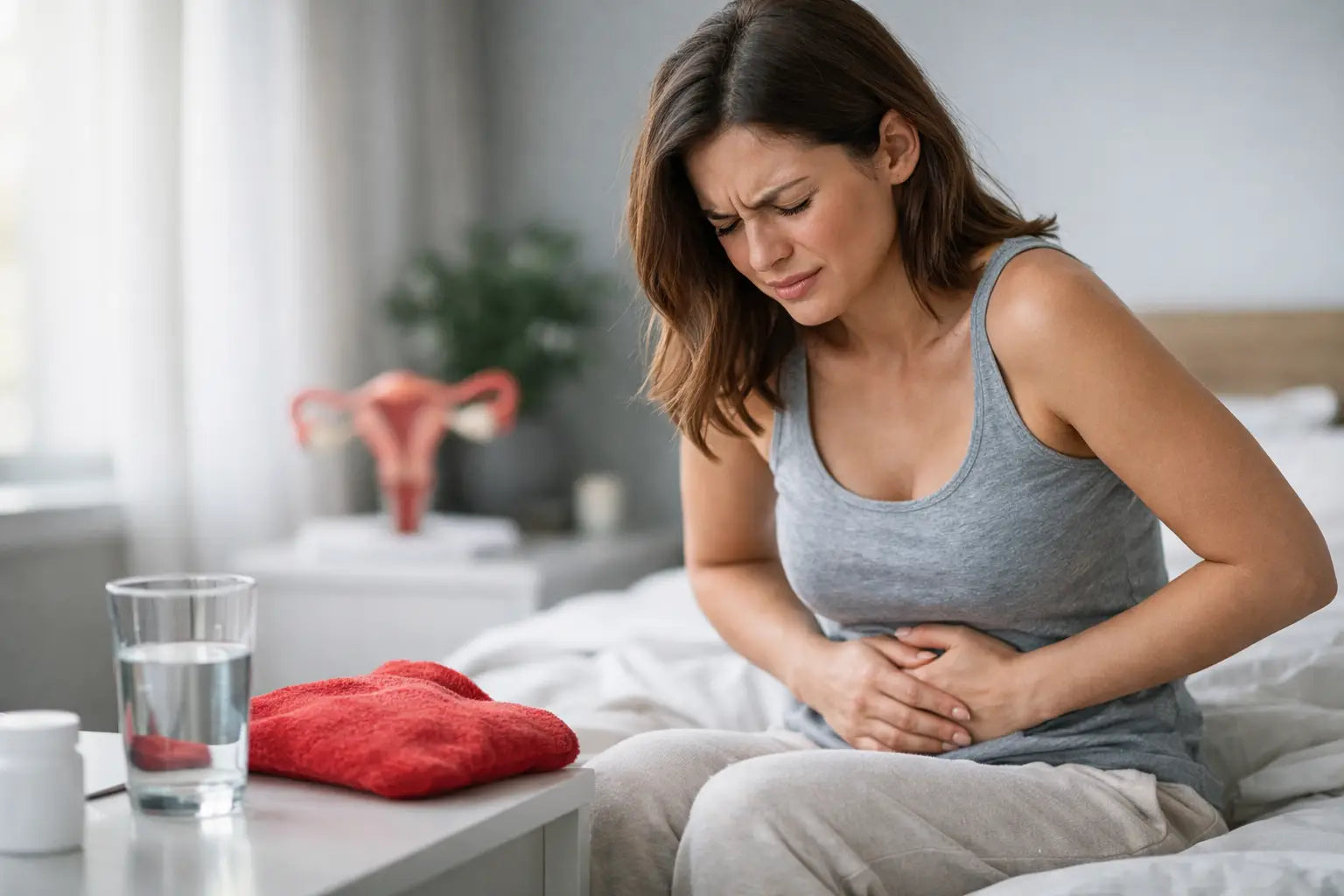
A cramp can turn a normal morning into a calculation: Can you make it through class? Sit through that meeting? Finish your workout? If you have ever asked, why do periods cause cramps, the short answer is that your uterus is doing real physical work. The more useful answer is that the intensity of that work can vary dramatically - and severe pain should never be dismissed as something you simply have to power through.
Why do periods cause cramps?
Each month, the lining of the uterus builds up in preparation for a possible pregnancy. When pregnancy does not occur, your body needs to shed that lining. To make that happen, the uterus contracts.
Those contractions are triggered in part by hormone-like compounds called prostaglandins. They are made in the uterine lining and help signal the uterine muscle to squeeze. This is a normal part of menstruation. But when prostaglandin levels are higher, contractions may be stronger, more frequent, and more painful.
Strong contractions can temporarily compress nearby blood vessels. Less blood flow means less oxygen reaching uterine tissue for a short period, which contributes to that deep, gripping, aching pain in the lower abdomen. The pain can also radiate into the lower back, hips, or thighs because the nerves involved share pathways with nearby areas.
This common type of period pain is called primary dysmenorrhea. It often begins within a day or two before bleeding starts or on the first day of a period, when prostaglandin activity is often highest. For many people, the worst cramps ease after the first two or three days as bleeding becomes lighter.
Cramps are not just “a little discomfort”
Menstrual cramps can bring more than pelvic pain. Prostaglandins can affect the digestive tract too, which helps explain why some periods come with nausea, diarrhea, bloating, headaches, fatigue, or that wiped-out feeling that makes every obligation seem harder.
Pain also changes how you move. When your abdomen is tightening and your back hurts, you may brace your muscles, shorten your stride, skip training, or struggle to focus. That ripple effect is real. Cramps can interrupt sleep, reduce concentration, derail social plans, and make work or school feel like an endurance event.
Pain tolerance is personal, but minimizing disruptive cramps is not a badge of toughness. You deserve options that help you stay in control of your day.
Why period cramps can feel worse some months
Your cycle is not a machine. One month may be manageable, while the next feels like it has knocked the wind out of you. The level of cramping can shift because prostaglandin production and uterine sensitivity can shift too.
Heavier bleeding sometimes goes hand in hand with worse cramps, because there may be more uterine lining to shed and more prostaglandin activity involved. Stress, poor sleep, a major change in routine, and low energy availability can also make pain harder to cope with. They do not mean the pain is imagined. They can affect inflammation, muscle tension, nervous-system sensitivity, and your ability to recover.
Age can matter as well. Cramps are common in the teen years and early 20s, and some people find they change over time. Others notice a meaningful shift after pregnancy, after starting or stopping hormonal birth control, or during later reproductive years. There is no single “normal” experience that applies to everyone.
Some cramps have an underlying cause
Not all period pain is primary dysmenorrhea. Secondary dysmenorrhea means cramps are connected to another medical condition. Endometriosis, adenomyosis, uterine fibroids, pelvic inflammatory disease, and ovarian cysts are examples of conditions that can cause or intensify pelvic pain.
This distinction matters because standard self-care may not be enough if something else is driving the pain. Cramps that become noticeably worse over time, begin well after your first periods, continue far beyond the first days of bleeding, or interfere with daily life deserve a conversation with a qualified health care professional.
What can help when cramps hit
The best relief approach depends on your symptoms, health history, and what your body responds to. Heat can relax tight muscles and increase local blood flow. A heating pad, warm bath, or heat wrap may be especially helpful for lower-abdominal or back pain.
Gentle movement can help some people too. That does not mean forcing yourself through an intense workout when your body is asking for recovery. A walk, mobility work, easy cycling, or light stretching may reduce stiffness and help you feel less locked up. On the other hand, rest is a valid performance strategy when pain is draining you.
Some people use anti-inflammatory pain medicines to reduce prostaglandin production. These medications can be effective for many, particularly when taken early in the pain cycle, but they are not right for everyone. They can cause stomach irritation and may not be appropriate with certain medical conditions or medications. Follow label directions and ask a clinician or pharmacist if you are unsure.
Hormonal birth control can reduce cramps for some people by changing the menstrual cycle and often thinning the uterine lining. It is a personal medical decision, not a requirement for having a functional period. If hormone-free relief is your priority, it is reasonable to discuss nonhormonal strategies with your clinician.
For people who want a portable, hormone-free option designed around the nerve signals involved in cramping, CrampsAWAY offers food-grade oral formulas using NME™ to support neuromuscular efficiency. The goal is simple: less time sidelined by cramps and more ability to keep moving through work, school, training, and life.
Build a plan before your period starts
Waiting until pain is at full volume can make every option feel less effective. If your cycle is fairly predictable, prepare for the first day before it arrives. Keep your preferred heat option, comfortable clothes, water, and relief tools where you can reach them - at home, in your bag, or at work.
Tracking can also reveal patterns you might otherwise miss. Note the first day of bleeding, pain level, location of pain, flow, digestive symptoms, missed activities, and what actually helped. After two or three cycles, you may have clearer information for yourself and a much more productive conversation with a health care professional.
Support your baseline, too. Regular meals, hydration, sleep, and recovery will not magically erase every cramp, and anyone claiming they will is oversimplifying a complex body process. Still, they can help you feel more resilient when your period begins. If you train hard, do not ignore under-fueling or inadequate recovery in the days leading up to your cycle.
When to get medical care for period pain
Make an appointment if cramps are stopping you from attending school, working, sleeping, exercising, or functioning normally despite your usual relief measures. It is also wise to seek evaluation if pain is getting worse, your periods are suddenly much heavier, bleeding happens between periods, sex is painful, or you have ongoing pelvic pain outside your period.
Seek urgent medical care for sudden, severe pelvic pain, pain with fever or vomiting, fainting, possible pregnancy, or unusually heavy bleeding such as soaking through pads or tampons very quickly for more than a short time. Those symptoms need prompt assessment.
Your period may be routine, but losing days to pain does not have to be. Understanding what is happening inside your body is the first move. The next is expecting support, choosing relief that fits your values, and refusing to let cramps set the limits of your life.

Share:
Nighttime Leg Cramps: Take Back Your Sleep
Sports Hydration Myths That Cost You a Finish